




Why Are Young People in India So Unhappy? Let’s Talk About the Mental Health of Youth in India
It’s no secret that India’s youth are facing a mental health crisis. From the pressure to succeed in a hyper-competitive environment to the anxieties of an uncertain future, it seems like everyone’s feeling the strain. The mental health of youth in India is a growing concern, and it’s time we had an open and honest conversation about it. But why? What’s really going on beneath the surface?
In this blog post, we’re going to take a closer look at the mental health challenges facing young people in India. We’ll explore the impact of unemployment, depression, and societal pressures, and delve into the complex factors contributing to this growing crisis. We’ll also discuss the importance of seeking help and offer some practical tips for navigating these difficult times.
This isn’t just another doom-and-gloom article, though. We’ll also be looking at the positive side – the growing awareness of mental health, the increasing availability of support, and the inspiring stories of resilience and recovery.
So, grab a cup of chai, settle in, and let’s have an open and honest conversation about mental health in India. Because sometimes, the first step to feeling better is simply talking about it.
And hey, if you’re interested in seeing some amazing drone shots of India (because who doesn’t love a good aerial view? ), be sure to check out my YouTube channel, DroneMitra (“Your Sky is Digital with a Drone as a Friend”). Or, if you’re curious about the latest news and trends, head over to Newspatron (“Let Curiosity Be Your Guide”).
The Growing Mental Health Crisis Among Indian Youth
India, despite its vibrant culture and rapid economic growth, is grappling with a silent epidemic: the deteriorating mental health of youth in India. It’s a complex issue with far-reaching consequences, impacting not just individuals but society. So, what’s causing this crisis? Let’s take a closer look.
Recommended Product
Amazon India – Shop Today's Best Offers
🛒 View on Amazon →As an Amazon Associate, we earn from qualifying purchases. Price and availability may vary.
Why are Young People in India Unhappy?
The statistics paint a grim picture. Surveys indicate that India is among the most depressed nations globally, with a significant portion of young people experiencing anxiety, depression, and other mental health issues. But what’s driving this unhappiness?



One major factor is the intense pressure to succeed in a highly competitive environment. Whether it’s academic pressure, the struggle to secure a good job, or the constant comparison with peers, young people are facing unprecedented levels of stress.
Economic instability and job insecurity further exacerbate the problem. The fear of unemployment, the burden of financial responsibilities, and the uncertainty of the future weigh heavily on the minds of many young Indians. A recent survey indicated that a staggering 42% of young people in India are actively seeking employment but facing challenges in finding stable jobs.
Moreover, societal expectations and the pressure to conform to traditional norms can also take a toll on mental well-being. The desire to meet parental and societal expectations, coupled with the fear of judgment and failure, can lead to feelings of inadequacy and low self-esteem.
A 2023 report from Azim Premji University highlights that 42% of young graduates under 25 are actively seeking employment but facing significant challenges in securing stable jobs. This high unemployment rate reflects the broader difficulties encountered by India’s youth, particularly in light of economic disruptions and the ongoing impact of the COVID-19 pandemic.
Increasing Discussions About Mental Health in Society
While the situation is concerning, there’s a glimmer of hope. The stigma surrounding mental health is slowly starting to fade, and conversations about these issues are becoming more commonplace.

Recent cases of suicide due to extreme stress in workplaces have sparked much-needed dialogue about the importance of mental well-being. The media is increasingly highlighting these issues, and there’s a growing awareness of the need for support and intervention.
Mental health professionals are also playing a crucial role in raising awareness and providing support. While the ratio of psychiatrists to the population remains low in India, there’s a growing recognition of the need for more mental health services and resources.
Factors Contributing to Mental Health Challenges
The mental health crisis among Indian youth isn’t a result of a single cause but rather a complex interplay of various factors. Let’s delve into some of the key contributors to this growing concern.
The Impact of Work Pressure on Mental Health in India
India’s rapidly growing economy has brought with it a demanding work culture. Long hours, tight deadlines, and constant pressure to perform are taking a toll on the mental health of Indian youth. Many young professionals find themselves trapped in a cycle of overwork, leading to stress, anxiety, and burnout.

This relentless pressure affects their mental well-being and spills over into their personal lives, impacting relationships and overall quality of life. The lack of work-life balance, coupled with the fear of job loss in a competitive market, creates a constant state of anxiety for many. In fact, a study by the Indian Psychiatry Society found that over 86% of young professionals in India report experiencing excessive work stress.
Mental health professionals are increasingly vital in raising awareness and providing support across India. Despite this, the country faces a significant shortage of mental health experts, with only 0.75 psychiatrists per 100,000 people. This stark contrast to the recommended ratio of at least 3 psychiatrists per 100,000 highlights the urgent need for expanded mental health services and resources.
Economic Times, “India has 0.75 psychiatrists per 100,000 people. Can telepsychiatry bridge the gap between mental health experts and patients?” : Economic Times, “World Mental Health Day: 60-70 million people in India suffer from common mental disorders.” : Statista, “Mental health in India – statistics & facts.”
Impact of Technology on Modern Lifestyle
While technology has undoubtedly brought many benefits, its impact on our lifestyles and mental health is a growing concern. Smartphone addiction, social media comparison, and the constant bombardment of information can lead to feelings of inadequacy, anxiety, and social isolation.
Furthermore, the 24/7 connectivity and the blurring of boundaries between work and personal life can make it difficult to switch off and relax. This constant stimulation can disrupt sleep patterns, leading to fatigue and further exacerbating mental health issues.

The World Health Organization has linked excessive screen time to increased risk of depression and anxiety, particularly among young people. Moreover, a shift away from traditional values, including a decline in cohesive family structures and a rise in individualistic lifestyles, has been identified as a contributing factor to mental health challenges in a study published in the International Journal of Social Psychiatry.
Importance of Personal Identity
In a society that often prioritizes conformity and adherence to traditional norms, the development of a strong and positive personal identity is crucial for youth mental health in India. Young people need the space and freedom to explore their interests, values, and beliefs, and to define themselves on their own terms.

However, societal pressures, family expectations, and the fear of judgment can hinder this process. Many young people struggle with feelings of self-doubt and low self-esteem, leading to anxiety and depression. Research by the National Institute of Mental Health and Neurosciences (NIMHANS) has highlighted the link between a weak sense of self and increased vulnerability to mental health problems.
Increasing Loneliness in India Due to Social Disconnect
Despite being a country known for its strong social bonds, India is witnessing a rise in loneliness, particularly among young people. The breakdown of traditional communities, the rise of nuclear families, and the increasing reliance on technology for social interaction have contributed to this growing sense of isolation.
Loneliness can have a profound impact on mental health, leading to depression, anxiety, and even suicidal thoughts. It’s essential to address this issue by fostering a sense of community and encouraging meaningful social connections. A study published in the journal “Social Psychiatry and Psychiatric Epidemiology” found that loneliness is a significant risk factor for depression among young adults in India.
Unemployment and Economic Instability
The state of the economy and the prevalence of unemployment play a significant role in the mental health of youth in India. When young people struggle to find stable employment or face financial insecurity, it can lead to stress, anxiety, and a sense of hopelessness.
Happiness Ranking of Finland and Scandinavian Countries
It’s interesting to note that countries like Finland and other Scandinavian nations consistently rank high in happiness indices, such as the World Happiness Report. These countries prioritize social welfare, have lower levels of inequality, and provide strong support systems for their citizens. This creates a sense of security and well-being, contributing to better mental health outcomes.
In contrast, India’s happiness ranking is considerably lower, currently standing at 126th out of 146 countries. While there’s been some improvement, the country still faces challenges with unemployment, poverty, and inequality. These factors can create a sense of instability and contribute to mental health issues among young people. The World Happiness Report has attributed India’s lower ranking to factors such as unemployment, environmental concerns, and social disparities.
Financial Loss and Mental Disorders
Financial loss, whether due to job loss, business failure, or debt, can have a profound impact on mental health. Research suggests a strong correlation between financial insecurity and mental disorders such as depression and anxiety.

When individuals experience financial hardship, it can lead to feelings of stress, shame, and helplessness. These feelings can, in turn, trigger or exacerbate existing mental health conditions. The American Psychological Association has reported that financial stress is a leading cause of mental health problems in the United States, and similar trends are being observed in India.
Unemployment and Labor Force Participation
India has a large youth population, and a significant portion of them are actively seeking employment. However, the unemployment rate remains high, and many young people struggle to find jobs that match their skills and aspirations.
This mismatch between aspirations and opportunities can lead to frustration, disappointment, and a sense of disillusionment. It’s essential to address this issue by creating more job opportunities and providing adequate training and support for young job seekers. The International Labour Organization has emphasized the importance of addressing youth unemployment in India to prevent social and economic instability.
Unemployment Affects a Significant Portion of the Youth in India
The statistics are concerning. A significant percentage of India’s youth are either unemployed or underemployed.

This means they are either not working at all or are working in jobs that don’t fully utilize their skills and potential. According to data from the Centre for Monitoring Indian Economy (CMIE), the unemployment rate in India was around 9.2% in June 2024. This situation can lead to financial instability, a lack of purpose, and a sense of being stuck. It’s crucial to address this issue by investing in education, skills training, and entrepreneurship development programs.
Pressure on Students
The pressure to perform academically is a significant contributor to the mental health issues in Indian youth. Students are constantly bombarded with expectations from parents, teachers, and society, leading to stress, anxiety, and even depression.
Students Should Create a Well-Organized Calendar for Their Life, Considering the Pressure They Face
One way to manage this pressure is to create a structured schedule. A well-organized calendar can help students prioritize tasks, manage their time effectively, and reduce feelings of overwhelm. By breaking down their workload into manageable chunks and allocating specific time slots for studying, extracurricular activities, and relaxation, students can gain a sense of control and reduce anxiety.


A calendar also serves as a visual reminder of upcoming deadlines and commitments, preventing last-minute panic and allowing for better preparation. This can significantly reduce stress levels and improve overall mental well-being.
The Pressure Cooker: Understanding the Stress on Students
But why are students under so much pressure in the first place? The reasons are multifaceted. The education system in India is often highly competitive, with a strong emphasis on rote learning and exams. This can create a stressful environment where students feel constantly evaluated and judged.
Furthermore, parental and societal expectations can add to the pressure. Many parents have high aspirations for their children, pushing them to excel academically and secure prestigious careers. This can lead to students feeling overwhelmed and anxious about meeting these expectations.
The pressure to succeed can also lead to unhealthy competition among students. This can create a toxic environment where students feel pressured to outperform their peers, leading to stress, anxiety, and even feelings of inadequacy.
Societal Expectations and the Pursuit of Success
In India, societal expectations often play a significant role in shaping the aspirations and anxieties of young people. The pressure to conform to certain norms and achieve specific milestones can impact their mental well-being.

Perception of Happiness Differs Based on Expectations
The gap between expectations and reality can be a major source of unhappiness. When young people are constantly bombarded with images of success and affluence, it can create unrealistic expectations and lead to feelings of inadequacy and disappointment.
It’s important to remember that happiness is subjective and that everyone’s journey is different. Comparing oneself to others or striving to meet external expectations can be detrimental to mental health. Instead, it’s crucial to focus on personal growth, self-acceptance, and finding joy in the present moment.
Understanding the Various Professionals Showcased on TV
The media often portrays a narrow definition of success, focusing on fame, wealth, and material possessions. This can create a distorted view of reality and lead young people to believe that these are the only markers of achievement.

It’s important to recognize that success comes in many forms. There are countless professionals who contribute meaningfully to society without necessarily achieving fame or fortune. Doctors, teachers, social workers, artists, and entrepreneurs all play vital roles in our communities.
By broadening our understanding of success and recognizing the value of diverse contributions, we can create a more inclusive and supportive environment for young people to pursue their passions and define success on their own terms.
Challenging Societal Norms of Career Paths
The pressure to follow traditional career paths, such as becoming a doctor or engineer, can be overwhelming for many young people. These expectations often stem from societal norms and parental aspirations, but they may not align with individual interests and talents.
It’s crucial to challenge these norms and encourage young people to explore different career options. Pursuing a career that aligns with one’s passions and values can lead to greater fulfillment and job satisfaction, which in turn contributes to better mental health.
Seeking Help and Addressing Systemic Issues
While individual coping mechanisms and support systems are crucial, it’s equally important to address the larger systemic issues that contribute to the mental health crisis among young people in India.
Importance of Seeking Counseling and Therapy for Mental Health in India
There’s still a stigma associated with seeking help for mental health concerns in India. However, it’s crucial to recognize that mental health is just as important as physical health, and seeking professional help is a sign of strength, not weakness. [www.doctorshire.com]

Therapists and counselors can provide a safe and supportive space for individuals to explore their challenges, develop coping mechanisms, and work towards healing and recovery. They can also help individuals identify and address the root causes of their mental health concerns. The National Mental Health Survey of India, 2015-16, found that nearly 80% of individuals with mental disorders do not receive treatment due to various barriers, including stigma and lack of awareness.
Aim for Earning More Money as Shown on TV: A Dangerous Path
The media often glorifies material wealth and portrays financial success as the ultimate goal. This can create unrealistic expectations and lead young people to believe that their worth is tied to their income.
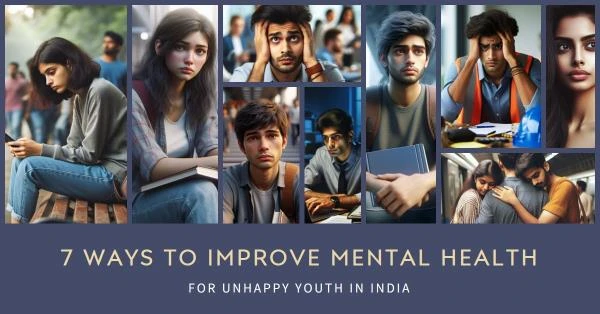
It’s important to challenge this narrative and encourage young people to find fulfillment beyond material possessions. Pursuing passions, building meaningful relationships, and contributing to society are all equally important aspects of a fulfilling life.
Need to Oppose Systems that Perpetuate Inequality
The systemic issues of inequality, unemployment, and lack of social support contribute significantly to the mental health crisis. It’s crucial to advocate for policies and initiatives that address these root causes.
This includes promoting equitable access to education and healthcare, creating job opportunities, and strengthening social safety nets. By working towards a more just and equitable society, we can create an environment where young people can thrive and reach their full potential.
Staying Financially Stable in India: A Practical Approach
While financial stability is not the sole determinant of happiness, it’s undoubtedly an important factor in reducing stress and anxiety. Young people should be equipped with the knowledge and skills to manage their finances effectively.
This includes budgeting, saving, investing, and understanding financial products and services. By developing financial literacy, young people can gain a sense of control over their finances and reduce the stress associated with financial insecurity.
Conclusion: Taking Charge of Mental Well-being
The mental health crisis among Indian youth is a complex issue with no easy solutions. However, by acknowledging the problem, understanding the contributing factors, and taking proactive steps, we can create a more supportive and empowering environment for young people to thrive.
It’s crucial to remember that mental health is just as important as physical health. Seeking help is not a sign of weakness but rather a courageous step towards healing and recovery. Whether it’s through therapy, counseling, or support groups, there are resources available to help young people navigate their challenges and build resilience.
We must also challenge societal norms and expectations that contribute to mental health issues. This includes promoting a broader definition of success, encouraging open conversations about mental health, and advocating for systemic changes that address the root causes of inequality and instability.
Ultimately, taking charge of one’s mental well-being is a journey of self-discovery and empowerment. By prioritizing self-care, seeking support, and challenging societal norms, young people in India can pave the way for a brighter and healthier future.

[…] Unhappy Youth? 7 Ways to Improve Mental Health in India […]