




Check out DroneMitra (your sky is digital with a drone as a friend!) and Newspatron (let curiosity be your guide!) on YouTube for fantastic drone shots and more insightful content.
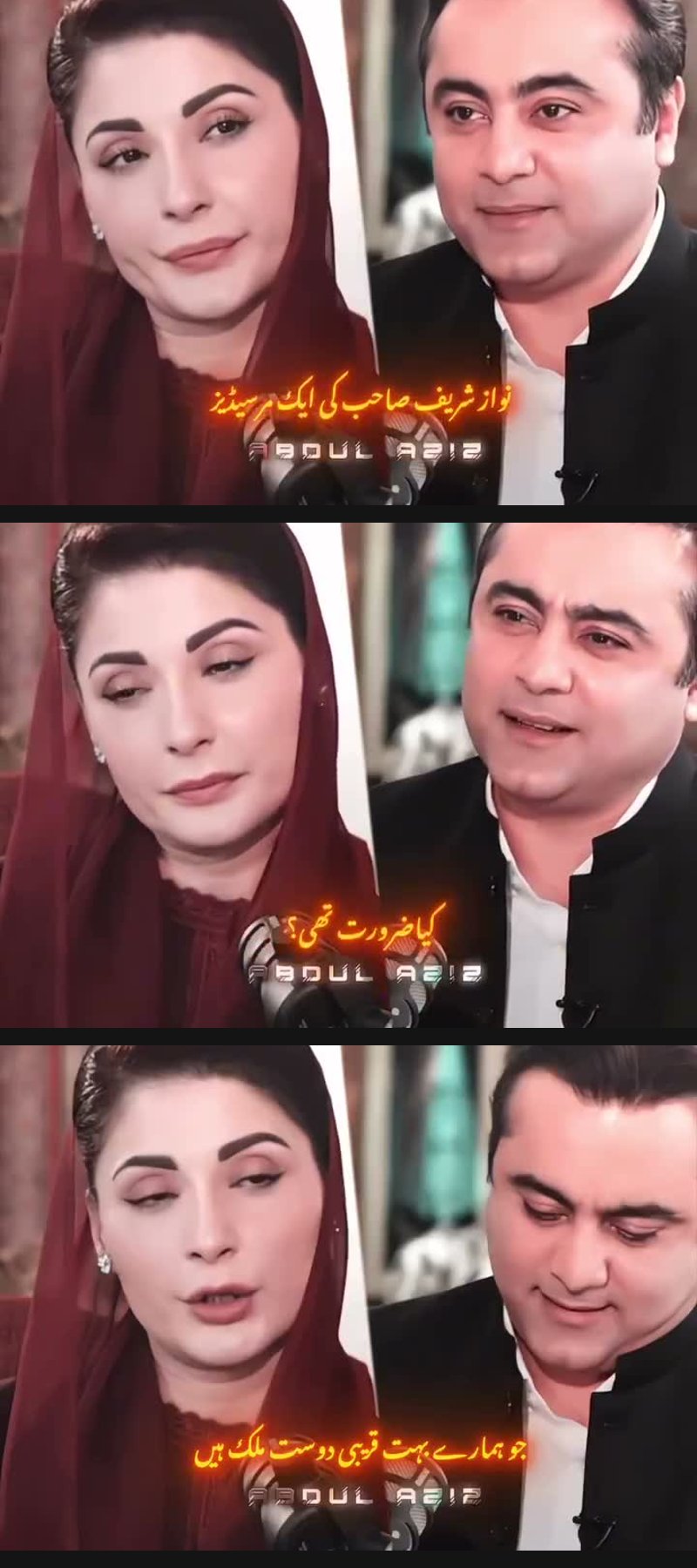
We need to talk about the glass. 😂 At a tense moment in a televised interview viewed over a hundred thousand times, Punjab’s chief minister reached for a glass of water. She sipped from it. Thoughtfully. Deliberately. The glass was empty.
Not the scandal — though we will absolutely get to that. Not the luxury cars from foreign royalty. Not the Rs 19.66 million profit on a vehicle someone initially could not remember owning. Not the bit where the chief minister of an entire province asked for the camera to stop rolling — while the camera very much did not stop rolling. The glass is where we start.
What On Earth Is Toshakhana and Why Should You Care
For those of us on the Indian side of the border — or anywhere outside Pakistan’s political ecosystem — Toshakhana needs a quick introduction. It is Pakistan’s state gift repository. When a senior official receives a gift from a foreign government or royal family, that gift belongs to the state. The official may retain it personally by paying a government-determined percentage of its assessed value.
In theory: clean and transparent. In practice, the rules have apparently been flexible enough to drive a Mercedes through. Literally. 😜
The Mercedes, the Saudi Prince, and the Year That Does Not Quite Add Up
A Mercedes. Gifted by a Saudi prince. Received in the 1990s. Cleared for personal use in 2008. The journalist’s question was precise: why does a car received in the 1990s only get formally cleared in 2008? The response: the government of the time chose to extend flexibility to multiple senior figures across the political spectrum.
One observer summed it up sharply: Indian corruption involves building a flyover for 100 crore and billing for 60, pocketing the rest. Pakistani corruption apparently involves receiving the flyover as a gift from a foreign prince and navigating the paperwork for a decade. 😂 Different styles. Both creative.
The BMW and the Amnesia
The journalist then surfaced a BMW — gifted by UAE royalty in 2009 to 2010, declared in official tax returns, sold in 2011 to 2012 for a profit of Rs 19.66 million. The response: “Where is my car? I haven’t heard about this.” And then, pressed further: “I think it must have belonged to the family. I will check the facts and figures and get back to you.”
Rs 19.66 million is not a number most people forget. It is a specific, tax-return-level figure. The internet did not wait for the follow-up. It already had the empty glass.
Recommended Product
Casio Enticer Men's Analog Green Dial Watch MTP-VD01D
🛒 View on Amazon →As an Amazon Associate, we earn from qualifying purchases. Price and availability may vary.
The Journalist Who Asked What Everyone Was Thinking
The host was prepared. Not aggressive. Not performative. He had the documents and he read from them — calmly, specifically, with dates and amounts. Several observers watching from this side of the border noted the contrast with the brand of television journalism Indian audiences are more familiar with — maximum noise, minimum information, enough graphics to cause a mild headache.
One viewer put it plainly: that is what journalism is supposed to look like.
Meanwhile: There Is Also a Gutter Cover Law
Punjab introduced legislation to address manhole cover theft — a real public safety problem. Theft or sale of a gutter cover now carries one to ten years in prison. If someone dies as a result, ten years imprisonment plus a fine of thirty to fifty lakh rupees. The chief minister reportedly said: “For God’s sake, we put these gutter covers on in the morning and evening, and they are stolen at night. Please, do not steal gutter covers.”
This is a completely legitimate public safety initiative. Given the timing and the Toshakhana interview — the internet could not resist the obvious observation. The Punjab government is now very serious about who takes what from public property. Very. Serious. Indeed.
What the Empty Glass Actually Means
The glass was not the most important thing in that interview. The documented figures, the unaccounted years, the “I will check and get back to you” on a specific tax return entry — those are the substantive matters. But the glass is what people remembered. It was unguarded. It was human. It was the crack in the composed exterior that cameras are always waiting to catch.
Politicians are trained to manage cameras. What they cannot always prepare for is the physical expression of discomfort — the reach for something that is supposed to steady you, the muscle memory of buying a moment, the sip that reveals there is nothing left to hold on to.
The glass was empty. The camera was still rolling. And the rest of us watched. 🧠
Newspatron — Let Curiosity Be Your Guide.
