




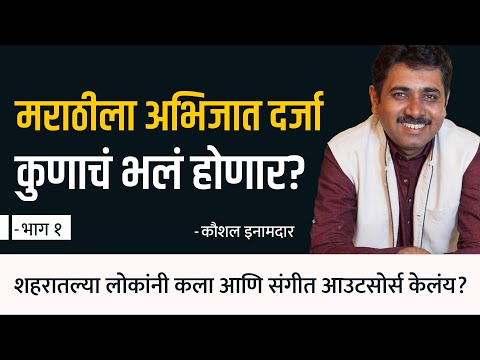

A Classical Conundrum: Understanding Marathi’s Journey
For nearly a decade, the question of granting Marathi classical language status has been a hot topic, sparking passionate debates and discussions. Even the halls of India’s Parliament have echoed with the demands for Marathi to be recognized as an “Abhijaat Bhasha”. This isn’t just about linguistic pride; it’s about preserving a rich cultural heritage in a rapidly changing world.
But amidst the clamor, one question lingers: how many people truly understand what constitutes a classical language? What are the criteria, the benefits, and the implications of such a designation?
The debate surrounding Marathi’s status is complex. While many champion its cause, citing its rich history and literary traditions, others argue that the evidence is insufficient. Political parties, however, seem united in their support, recognizing the cultural and symbolic significance of this recognition.
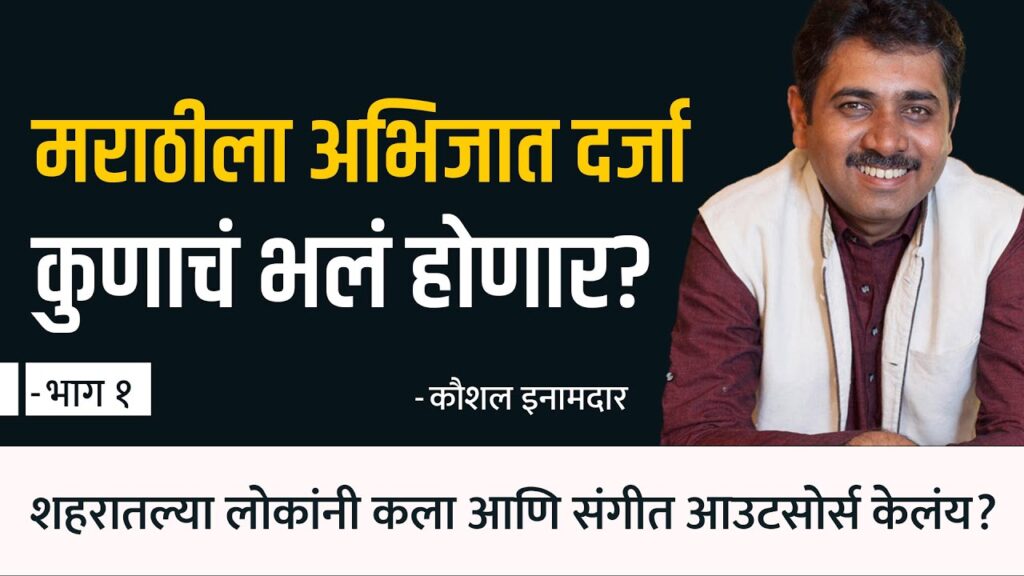
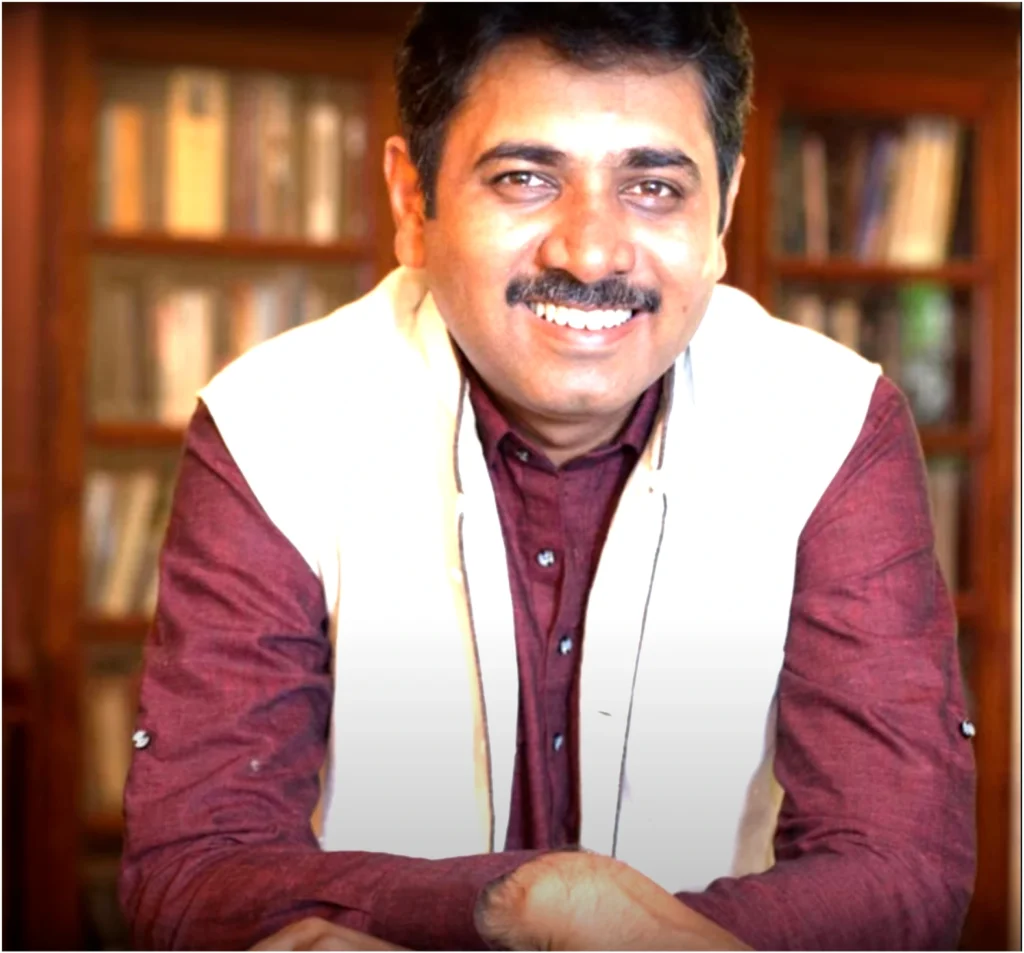
So, before we delve into the fascinating insights of Kaushal Inamdar, a renowned music composer and passionate advocate for Marathi culture, let’s take a quick detour into the history of the Marathi language and the intricacies of classical language status.
A Brief History of Marathi
The Marathi language, with its roots tracing back over 2,500 years, boasts a vibrant and evolving history. Its journey, as documented in a 2013 report by the Maharashtra government, reveals a fascinating transformation: from “Maharashtri Prakrit” to “Marathi,” the language has adapted and flourished, reflecting the dynamism of the culture it represents.
This rich history is evident in the diverse literary traditions that have shaped Marathi identity. From the spiritual verses of Sant Dnyaneshwar to the powerful plays of Vijay Tendulkar, Marathi literature has captured the nuances of human experience and societal change.
The Classical Language Conundrum
The criteria for classical language status, as defined by the Central Cultural Ministry of India, are stringent. A language must have a recorded history of 1,500-2,000 years, possess a body of ancient literature considered valuable by its speakers, and demonstrate a unique literary tradition. Currently, six languages in India hold this prestigious title:
Recommended Product
Casio Vintage A168WA Digital Watch – Classic Retro Style
🛒 View on Amazon →As an Amazon Associate, we earn from qualifying purchases. Price and availability may vary.
- Tamil (2004)
- Sanskrit (2005)
- Kannada (2008)
- Telugu (2008)
- Malayalam (2013)
- Odia (2014)
Marathi’s claim to this status has been supported by a 2013 report, which highlighted its historical significance and rich literary heritage. However, the debate continues, with some linguists questioning the evidence linking Marathi to Maharashtri Prakrit.
Despite the ongoing debate, the potential benefits of classical language status are undeniable. Increased funding for research, educational programs, and the preservation of literary works could significantly boost the promotion and development of Marathi.
Back to the Main Stage
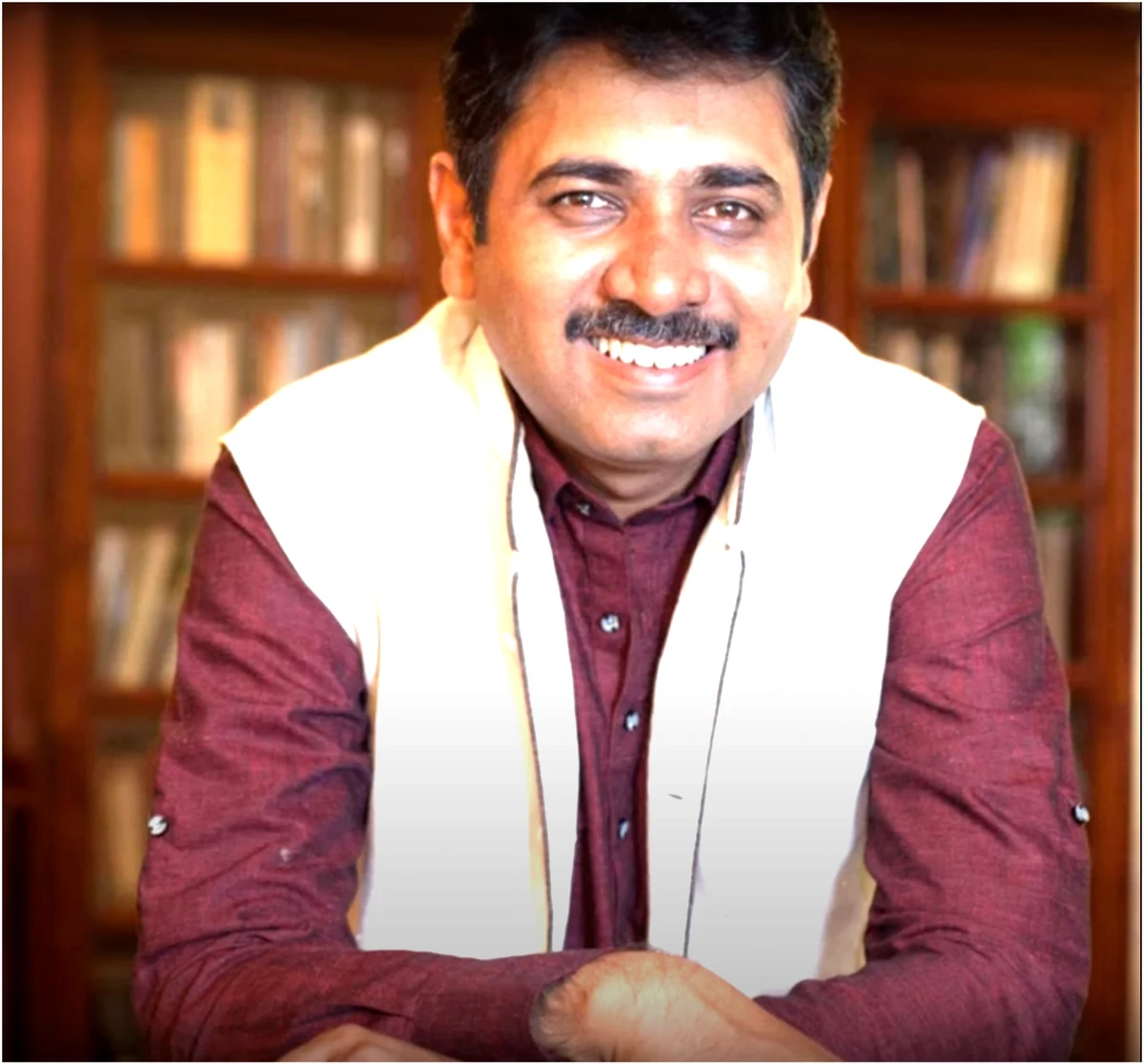
Now, let’s return to our main act: Kaushal Inamdar’s insightful perspective on the evolving landscape of Marathi art. Join me as we explore his thoughts on the impact of urbanization, technology, and globalization, and the crucial need to preserve cultural roots in a rapidly changing world.
The Changing Soundscape of Marathi Music
Kaushal Inamdar, a veteran of the Marathi music scene, has witnessed firsthand the transformations that have swept through the industry over the past 14 years. He recalls a time when forging a career solely in Marathi music was an uphill battle, a stark contrast to today’s landscape where numerous artists thrive exclusively within this vibrant sphere.
This rise of Marathi artists and their growing prominence is a testament to the evolving tastes and increasing demand for Marathi music, cinema, and television.
However, this evolution hasn’t been without its challenges. Inamdar points to the technological shifts that have impacted the very fabric of music creation. Where once grand live orchestras filled recording studios, today’s artists often find themselves navigating the world of auto-tune and individual recordings. While this allows for greater flexibility and accessibility, it also raises questions about the preservation of traditional musical practices and the importance of collaborative artistry.
Beyond technology, societal changes have also played a significant role in shaping Marathi music. The decline of the traditional joint family system, coupled with the rise of urban living, has led to a shift in how music is consumed and experienced. Inamdar notes that the communal ambiance of music-making in the past, where families and friends would gather for recordings and performances, has largely faded away. This shift has not only impacted the social dimension of music but also influenced musical preferences, with shorter, catchier tunes often replacing the more elaborate and expressive melodies of yesteryears.
Despite these changes, Marathi music continues to evolve and adapt, reflecting the dynamism of the culture it represents. From classical ragas to contemporary pop, Marathi artists are exploring new sounds and styles while striving to preserve the essence of their musical heritage.
“Outsourcing” Art: A New Reality?
Kaushal Inamdar introduces a compelling concept: the “outsourcing” of Marathi art. What does he mean by this? Essentially, he argues that with increasing urbanization, art is becoming detached from our everyday lives. Instead of being an integral part of our homes, communities, and daily routines, art is often relegated to specific spaces and occasions – galleries, auditoriums, festivals. We “outsource” the experience of art, consuming it in curated settings rather than organically engaging with it in our daily lives.
This shift has profound implications for both artists and audiences. For artists, it creates a challenge in connecting with audiences on a deeper level. When art is confined to formal settings, it risks losing its immediacy and relevance to everyday experiences. As Inamdar puts it, “An artist, who is meant to perform, might feel that the work is diluted if it doesn’t resonate with their core essence.”
For audiences, this “outsourcing” of art can lead to a sense of detachment and a diminished appreciation for artistic expression. When art becomes something we consume passively in designated spaces, it loses its power to transform, inspire, and challenge us on a personal level.
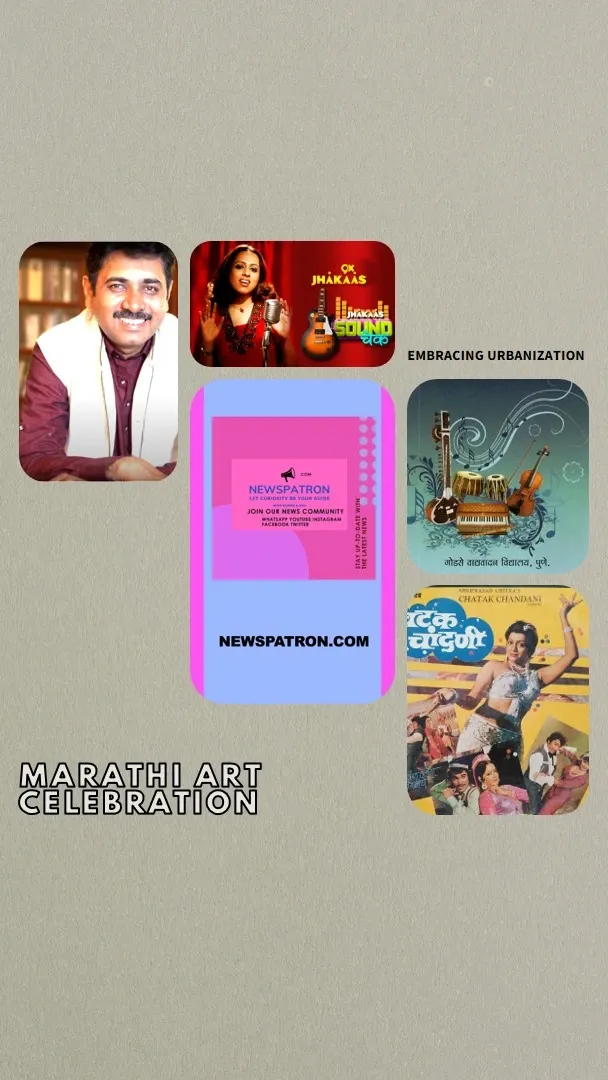
The challenge, however, lies in balancing this need for innovation with the preservation of cultural roots. As Marathi art evolves, it’s crucial to ensure that it retains its unique identity and connection to its rich heritage.
The Marathi Film Industry: A Balancing Act
The Marathi film industry, much like Marathi music, has undergone a significant transformation in recent years. The rise of the multiplex culture, while offering a more sophisticated viewing experience, has also led to the decline of single-screen theaters, impacting the reach and accessibility of Marathi cinema. This shift, coupled with funding limitations and the need for improved infrastructure, presents unique challenges for filmmakers and artists striving to create quality content.
Inamdar emphasizes the importance of striking a balance between quantity and quality in Marathi film production. While the industry has witnessed a surge in the number of films being produced, the focus on quality often takes a backseat. He believes that government support, while well-intentioned, can sometimes create a dependency that hinders the industry’s growth and self-sufficiency.
Instead of relying solely on subsidies, Inamdar suggests focusing on creating a conducive environment for artistic expression. This includes investing in better amenities for exhibitions and performances, ensuring that audiences have a positive and engaging experience. By fostering a culture of appreciation for Marathi art, audiences will be more inclined to support and celebrate Marathi cinema, leading to a more sustainable and thriving industry.
He also highlights the importance of live performances in Marathi theater, emphasizing the unique connection they forge between artists and audiences. He points out that Marathi theater has played a vital role in preserving Indian classical music traditions, with thousands of people still appreciating these art forms in live settings. However, the lack of adequate infrastructure and support for live performances poses a challenge to the continued flourishing of this vital aspect of Marathi culture.
Ultimately, the future of the Marathi film industry lies in its ability to adapt to the changing times while staying true to its cultural roots. By embracing innovation, investing in quality, and fostering a supportive ecosystem, Marathi cinema can continue to captivate audiences and contribute to the rich tapestry of Indian art.
[Watch the Full Video on YouTube]
Navigating the Digital Age: Challenges and Opportunities
The digital revolution has undeniably transformed the landscape of Marathi art, presenting both exciting opportunities and unique challenges. Inamdar points to the shift from traditional music albums to singles as a prime example of this transformation. While this new format offers greater accessibility and allows artists to release music more frequently, it also raises questions about discoverability and distribution.
In the age of algorithms and streaming platforms, getting your music heard is no easy feat. Inamdar highlights the crucial role that algorithms play in promoting music and the challenges faced by aspiring Marathi artists in gaining visibility. While technology offers a broader platform for showcasing talent, it also creates a competitive environment where artists must navigate complex digital landscapes to reach their audiences.
Another significant challenge in the digital age is the rising cost of music production. Inamdar notes that while producing an album in the mid-90s cost a mere 7,000 to 8,000 rupees, today’s artists face expenses exceeding 2 lakh rupees. This financial burden, coupled with the shift to digital platforms where music is often consumed for free, makes it increasingly difficult for artists to sustain their creative endeavors.
Despite these challenges, the digital age also offers immense opportunities for Marathi art. The internet and social media platforms provide artists with unprecedented reach, allowing them to connect with audiences across geographical boundaries. Digital tools and technologies offer new avenues for experimentation and innovation, empowering artists to push creative boundaries and explore new sounds and styles.
Inamdar emphasizes the need for Marathi artists to embrace these opportunities while staying true to their cultural roots. He believes that by leveraging technology creatively and prioritizing quality content, Marathi music can thrive in the digital age and reach new heights of artistic expression.
Preserving Marathi Culture in a Globalized World
Marathi’s recent recognition as a classical language, or “Abhijaat Bhasha,” marks a significant milestone in the preservation and promotion of its rich heritage. This status not only honors Marathi’s historical and cultural contributions but also ensures that the language receives the support needed for its continued development. Joining the ranks of other classical languages like Tamil, Sanskrit, Kannada, Telugu, Malayalam, and Odia, Marathi’s new designation emphasizes its role in shaping India’s identity. This recognition brings practical benefits, such as increased funding for research, better educational programs, and a focused effort on preserving the language’s literary and cultural legacy.
This recognition is a testament to the enduring power and influence of Marathi art across various disciplines. In literature, masterpieces like Shivaji Sawant’s Mritunjaya, a reimagining of the Mahabharata from Karna’s perspective, and Vijay Tendulkar’s hard-hitting play Ghashiram Kotwal exploring themes of power and corruption, have captivated generations of readers and theatergoers.
Marathi music boasts a rich tapestry of traditions, from the soulful devotional songs of Pt. Bhimsen Joshi’s Bhavgeet to Kaushal Inamdar’s own innovative blend of classical and contemporary sounds in his album SwarNritya. Marathi cinema has also made its mark with critically acclaimed films like Nagraj Manjule’s Sairat, a poignant social commentary that resonated with audiences worldwide, and Mahesh Manjrekar’s Natsamrat, a powerful portrayal of an actor’s life based on the classic play by Kusumagraj.
Speaking of theater, Kusumagraj’s Natsamrat remains a cornerstone of Marathi theatre, depicting the struggles of an aging actor with raw emotional depth. Vijay Tendulkar’s Ghashiram Kotwal continues to be celebrated for its bold exploration of social issues and its enduring relevance.
Marathi poetry also holds a special place in the hearts of its people. Kusumagraj, known as the “Poet of the People,” captured the essence of the human spirit with his lyrical verses in works like Mardhekaranchya Lekh and Vishakha. Suresh Bhat’s poetry, with its simplicity and emotional depth, continues to resonate with readers of all ages.
Even in the visual arts, Marathi artists have made significant contributions. Raja Ravi Varma, though renowned for his contributions to Indian art in general, has had a profound influence on Marathi art, with many of his celebrated works finding a home in Maharashtra. Vasudev Gaitonde, a prominent Marathi artist, gained national and international recognition for his abstract paintings, pushing the boundaries of artistic expression.
Beyond these artistic expressions, Marathi culture is also enriched by spiritual texts like the Gnaneshwari Geeta, emphasizing devotion and surrender to the divine, and historical figures like Chatrapati Shivaji Maharaj, whose progressive model of governance included principles of justice and equality. These diverse influences have shaped Marathi identity and continue to inspire generations.
As renowned musician Kaushal Inamdar highlights, understanding and celebrating this rich heritage is crucial in an era of rapid urbanization and globalization. It reinforces the importance of maintaining cultural roots while navigating modern challenges. By supporting and promoting Marathi art and language, we contribute to a more diverse and enriched cultural landscape.
Globalization has undeniably impacted Marathi art, influencing artistic expressions and introducing new trends and collaborations. While this cross-cultural exchange can be enriching, it also raises questions about preserving the unique identity of Marathi art forms. Inamdar emphasizes the need for artists to strike a balance between embracing global influences and staying true to their cultural heritage.
He believes that by fostering collaborations across diverse genres and languages, Marathi artists can create unique and innovative works that resonate with a wider audience. This collaborative spirit, combined with a commitment to quality and a deep respect for tradition, can ensure that Marathi art continues to thrive in a globalized world.
Conclusion
Kaushal Inamdar’s insights offer a compelling glimpse into the evolving landscape of Marathi art. From the impact of urbanization and technology to the challenges and opportunities of globalization, his perspective sheds light on the dynamic forces shaping Marathi music, cinema, and theater.
As we navigate the complexities of the digital age, it’s crucial to remember the importance of preserving and promoting cultural heritage. The recent recognition of Marathi as a classical language is a testament to its enduring legacy and a call to action for artists, audiences, and institutions to support its continued growth.
By embracing innovation, fostering collaboration, and staying true to their roots, Marathi artists can ensure that their art forms continue to thrive, captivating audiences and contributing to the rich tapestry of Indian culture. Whether it’s through soulful melodies, thought-provoking cinema, or powerful theatrical performances, Marathi art has the power to inspire, challenge, and connect us all.
Let us celebrate the vibrant spirit of Marathi art and support the artists who dedicate their lives to enriching our cultural landscape. By engaging with their work, sharing their stories, and appreciating their unique perspectives, we can contribute to a more diverse and vibrant world where art knows no boundaries.
Keep the Conversation Going!
Want to discover more captivating music? You can include this as background for your projects such as youtube and instagram and elsewhere. I highly recommend checking out Hoopr, a platform brimming with premium, copyright-free Indian tunes. Use my special link to subscribe and enjoy up to 3 months of free musical exploration: https://hoopr.ai/?referral_link=hoopr-1b9a00d2-ed5f-4061-bf3c-1b4774e04a04
Feeling curious about the writer behind this blog post? Delve deeper into my world and discover more of my musings at my Gravatar profile: https://gravatar.com/newspatron
But the conversation doesn’t have to end here! Let’s connect and continue the discussion on your favorite platform:
- Catch my visual stories on Instagram: @qmit_kumar
- Join the tweet-fest on X (formerly Twitter): @dronemitra
- Let’s be friends on Facebook: [Facebook Profile URL]
- Stay updated with my latest posts on my Facebook Page: [Facebook Page URL]
- Dive into insightful discussions on Reddit: u/Saltman333 and r/newspatron
- Explore my thoughts and musings on Tumblr: https://www.tumblr.com/blog/newspatron
- Get instant updates on my WhatsApp Channel: https://whatsapp.com/channel/0029Va91Ng2KAwEuok1Dn831
- Join the Telegram chat for instant conversations: t.me/newspatron333
- Stay connected through my Telegram Channel: t.me/NEWSPATRONBHARAT
- Never miss an update with my RSS Feed: https://newspatron.com/feed/gn
- Connect professionally on LinkedIn: https://www.linkedin.com/in/news-patron-89b93b211/
And of course, don’t forget to explore the captivating world of Marathi art and beyond on my YouTube channels:
- Newspatron Videos: https://www.youtube.com/@Newspatron/videos
- Quick Snippets on YouTube Shorts: https://youtube.com/playlist?list=PLQvdUfdp-3Xw0phyndLCT6BXWIlO8XtJK&feature=shared
- Journey with me through my Travel videos: https://youtube.com/playlist?list=PLQvdUfdp-3XwiLtZ2fE-CSXiBPbaAkWWi&feature=shared
Planning a trip between major cities in Western India? Check out IndiaTaxi.cab for convenient and reliable cab services: https://indiataxi.cab/rent-cabs-for-outstation-travel
I’m excited to hear your thoughts on this blog post and continue the conversation on your preferred platform!
#MarathiArt #MarathiCulture #KaushalInamdar #IndianArt #Urbanization #Technology #Globalization #Music #Cinema #Theater #Literature
