




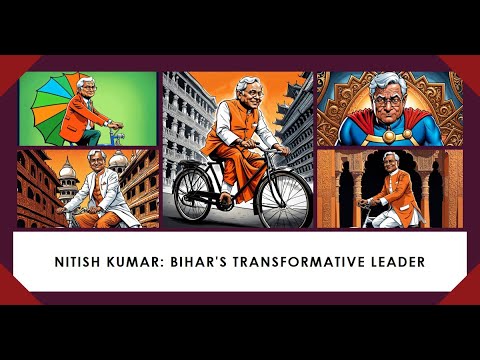
In the intricate dance of Indian politics, few have moved as deftly as Nitish Kumar. His recent strategic shifts have sent ripples through the political landscape, prompting analysts and citizens alike to ponder the implications of his actions. This blog post aims to unravel the layers behind Kumar’s latest maneuvers, offering insights into his calculated steps from the Mahagathbandhan to the NDA fold. As we delve into this narrative, we invite readers to join us in dissecting the moves of a master strategist at play. Read all about JDU NDA.
Nitish Kumar’s Calculated Exit: Beyond Mahagathbandhan
Nitish Kumar’s departure from the Mahagathbandhan was not an impulsive decision. It was a move marred by dissatisfaction and internal discord within the Grand Alliance. His criticism of the INDIA bloc’s functionality underscores a deeper discontent—a longing for reciprocity and effective collaboration that went unmet.
The JDU NDA Reunion: A Strategic Homecoming
Realigning with the NDA signifies more than just a political realignment for Kumar; it’s an endorsement of Prime Minister Narendra Modi and a calculated bet on the NDA’s electoral prospects. This move is not just about Bihar but also about setting the stage for JDU’s national aspirations.
JDU’s National Canvas: Painting Beyond Bihar
Kumar’s vision for JDU stretches across India’s vast political terrain.
The Multi-Dimensional Strategy: Securing Influence and Stability
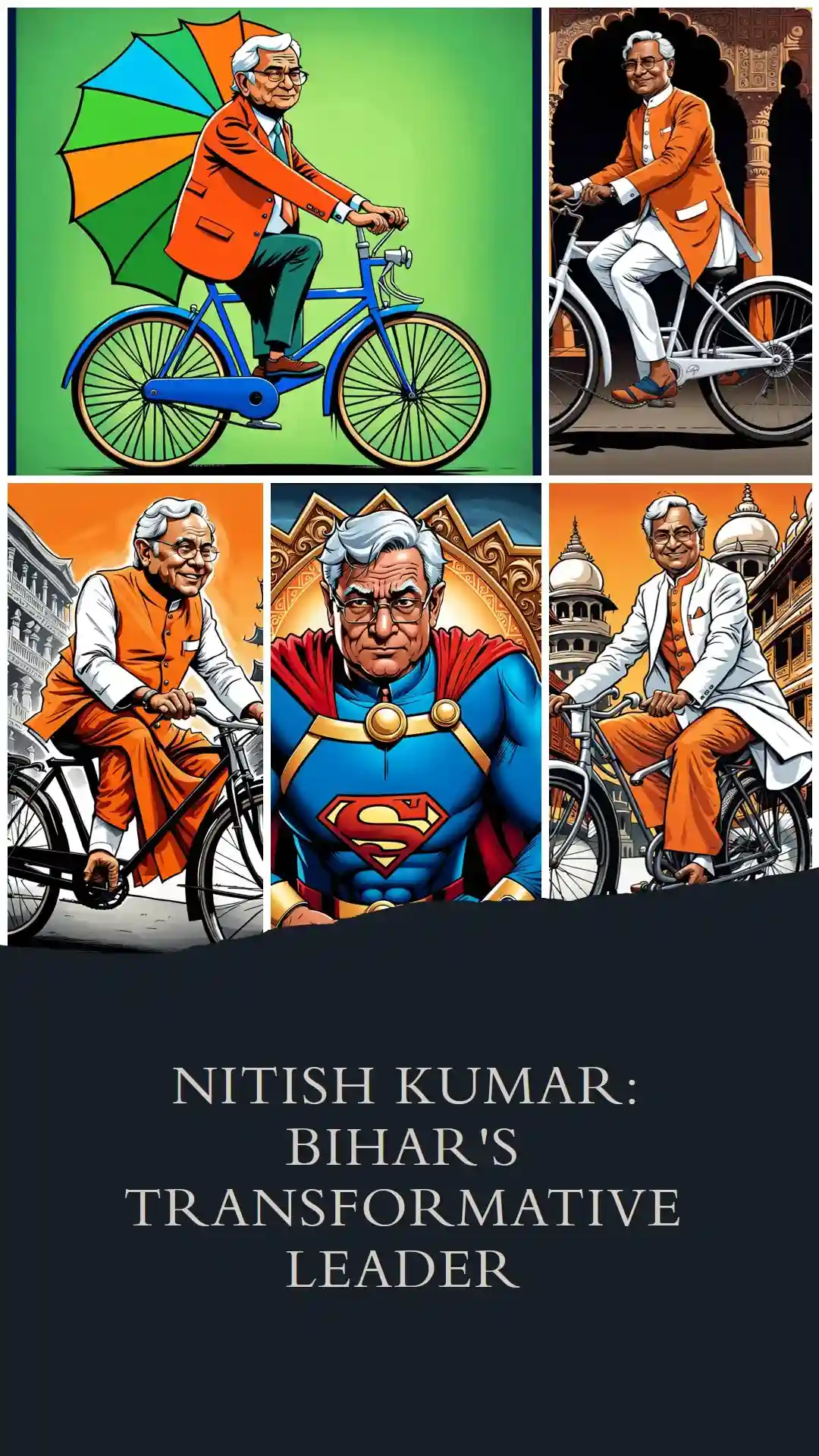
Kumar’s support for the NDA is layered with strategic calculations. It’s about securing JDU’s stronghold in Bihar, ensuring governmental stability, and laying groundwork for national expansion—a trifecta of political savvy.
The Long Game: Negotiating JDU’s National Stature
Looking ahead, Kumar is poised for tough negotiations in future elections. His goal? To cement JDU’s influence across key states and secure its place as a pivotal force in Indian politics.
In conclusion, Nitish Kumar’s political choreography is a testament to his ambition for JDU to emerge as a dominant all-India party. His tactical shifts are shaping Indian politics’ trajectory, with each move bringing us closer to understanding his ultimate endgame. Jai Hind! ??
[Watch a Video about Nitish Kumar on YouTube Nitish Kumar Enigma of Bihar Sushasan Babu to Political Chess Master] [Subscribe NewsPatron YouTube Channel Free]
Recommended Product
Magnesium Body Spray – Muscle Recovery & Lavender Scent
🛒 View on Amazon →As an Amazon Associate, we earn from qualifying purchases. Price and availability may vary.
[Read about Vinod Tawde: BJP’s Rising Star – 5 Key Insights]
Introduction
Nitish Kumar’s political journey has captured the attention of many across India, particularly following his victory in the Bihar Assembly elections, securing his fourth term as Chief Minister.
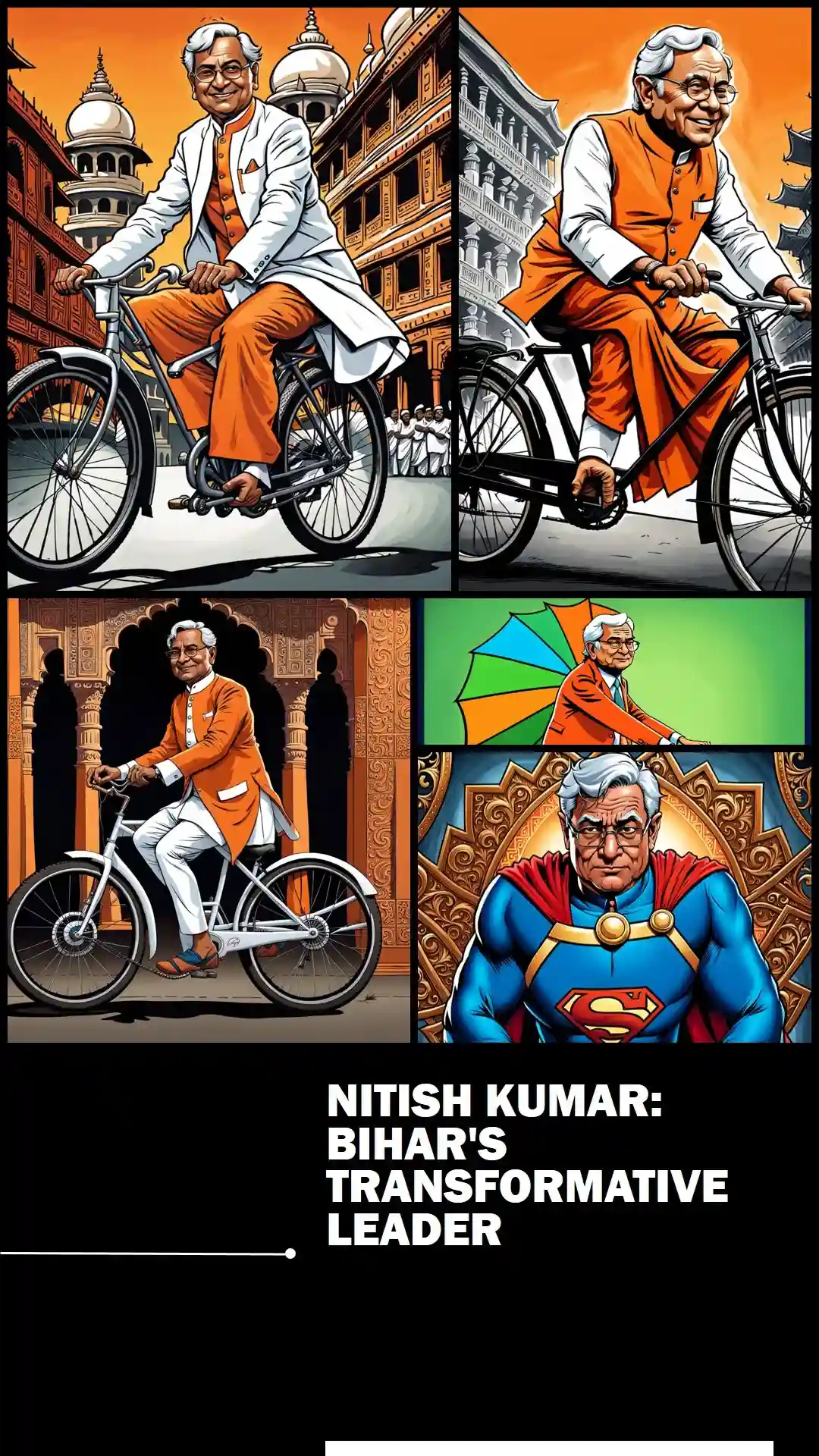
His involvement in various controversies adds complexity to his public persona. This article aims to delve into Nitish Kumar’s life, tracing his biography, political history, and current news.
Early Life and Education
Born on March 1, 1951, in Bakhtiarpur, Bihar, Nitish Kumar hails from the Kurmi community, classified under the Other Backward Classes (OBC) in India’s reservation system. The son of ayurvedic practitioners Kaviraj Ram Lakhan Singh and Parmeshwari Devi, Nitish grew up with five siblings. He initially bore the surname ‘Singh’ but later dropped it to avoid caste discrimination.
A bright student with a keen interest in kabaddi, Nitish pursued higher education in Patna, earning an electrical engineering degree from Bihar College of Engineering (now NIT Patna) in 1972. His student life was marked by political engagement as he joined the Samyukta Socialist Party (SSP), opposing the then-dominant Congress party.
Political Career
Mentored by socialist icons Jayaprakash Narayan and Ram Manohar Lohia, Nitish Kumar became actively involved in politics during the JP Movement against Indira Gandhi’s Emergency in 1975. His political debut was unsuccessful in 1980; however, he later won an election from Harnaut constituency in 1985. His political trajectory took him to the Lok Sabha representing Barh constituency for six terms until 2004 and saw him hold various ministerial roles.
A key figure in Janata Dal (JD) and later Samata Party (SP), Nitish Kumar’s alliance with BJP under the National Democratic Alliance (NDA) was pivotal. He became Bihar’s Chief Minister in 2000 but resigned shortly due to a lack of majority support. His subsequent terms as Chief Minister began in 2005 after NDA victories, with a brief interruption when he parted ways with BJP over Narendra Modi’s candidacy for Prime Minister.
Chief Ministerial Tenure
Nitish Kumar’s governance is noted for its focus on development and social justice initiatives like Bihar Vikas Mission and Jal-Jeevan-Hariyali Abhiyan. He has also implemented welfare schemes targeting various social groups and enforced an alcohol ban to address addiction-related issues.
Despite these efforts, Nitish faces criticism for alleged opportunism, corruption, authoritarianism, and failure to address persistent state challenges like poverty and infrastructure deficits.
Controversies
His tenure has not been without scandal; notable controversies include the Srijan Scam and Muzaffarpur Shelter Home Case. The Bhagalpur Riots Case also resurfaced during his term, leading to significant legal developments after decades of stagnation.
Personal Life
Nitish Kumar’s personal interests include sports like kabaddi and cricket. His educational background in engineering reflects his technical aptitude. Despite personal tragedies like the loss of his wife in 2007, he remains dedicated to public service.
Public Perception
Public opinion on Nitish Kumar is divided; some view him as a symbol of good governance while others criticize him for perceived failings in leadership and development promises.
Join the Discussion on Nitish Kumar
Your opinion matters! Whether you see Nitish Kumar as a beacon of good governance or have reservations about his leadership and development track, we invite you to express your views. Join our forum, engage in thoughtful discussions, share information, and submit your content. Let’s delve into diverse perspectives together.
[bbp-single-topic id=6154]
