




India’s automobile sector is once again gripped by unease—not because of a new policy announcement, but because of familiar words spoken by a powerful voice.
Union Road Transport and Highways Minister Nitin Gadkari recently remarked that prolonged stays in Delhi leave him with infections due to severe air pollution, reiterating that nearly 40% of Delhi’s pollution originates from the transport sector. He also repeated a long-standing concern: India spends around ?22 lakh crore annually on fuel imports.
Individually, these statements are not new. Collectively, they have revived an old fear—one that last rattled markets in September 2023.
Why These Statements Matter More Than They Seem
Nitin Gadkari is not just another minister offering opinions. He is widely seen as a policymaker whose ideas often precede long-term structural change. That perception explains why even non-policy remarks can trigger sharp reactions across automobile manufacturers and investors. The anxiety is not about what was announced—but about what might eventually follow.
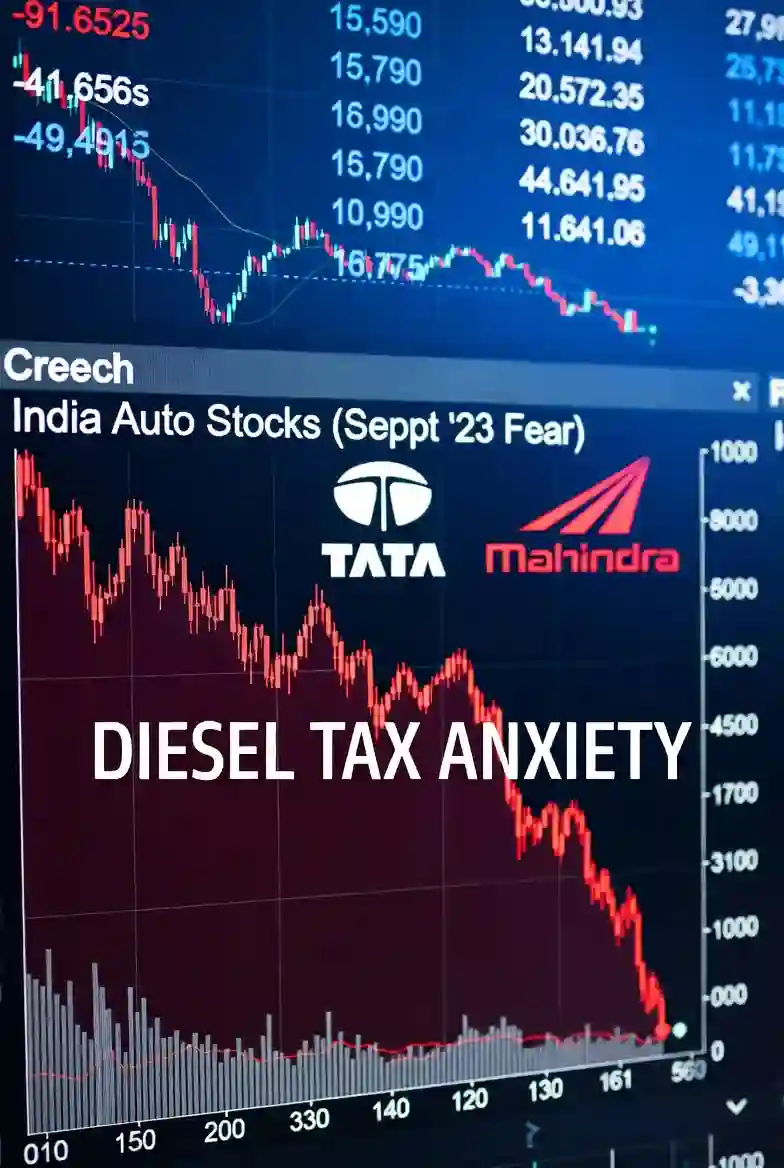
A Flashback: September 2023 and the Diesel Tax Panic
In September 2023, Gadkari publicly suggested that diesel vehicles contribute disproportionately to pollution and that the government might need to impose a 10% additional GST on them. The market reaction was swift.
Tata Motors, Mahindra & Mahindra, Ashok Leyland stocks fell ~2–2.5%. Oil Marketing Companies fell ~4%. Within 24 hours, Gadkari clarified there was no proposal under consideration, calming the markets—but the memory lingered.
The Ground Reality: India Is Still an ICE Market
Despite rapid EV headlines, the numbers tell a slower story. Overall EV penetration (FY25) is only ~7–8%. Over 90–95% of vehicles sold are still petrol or diesel.
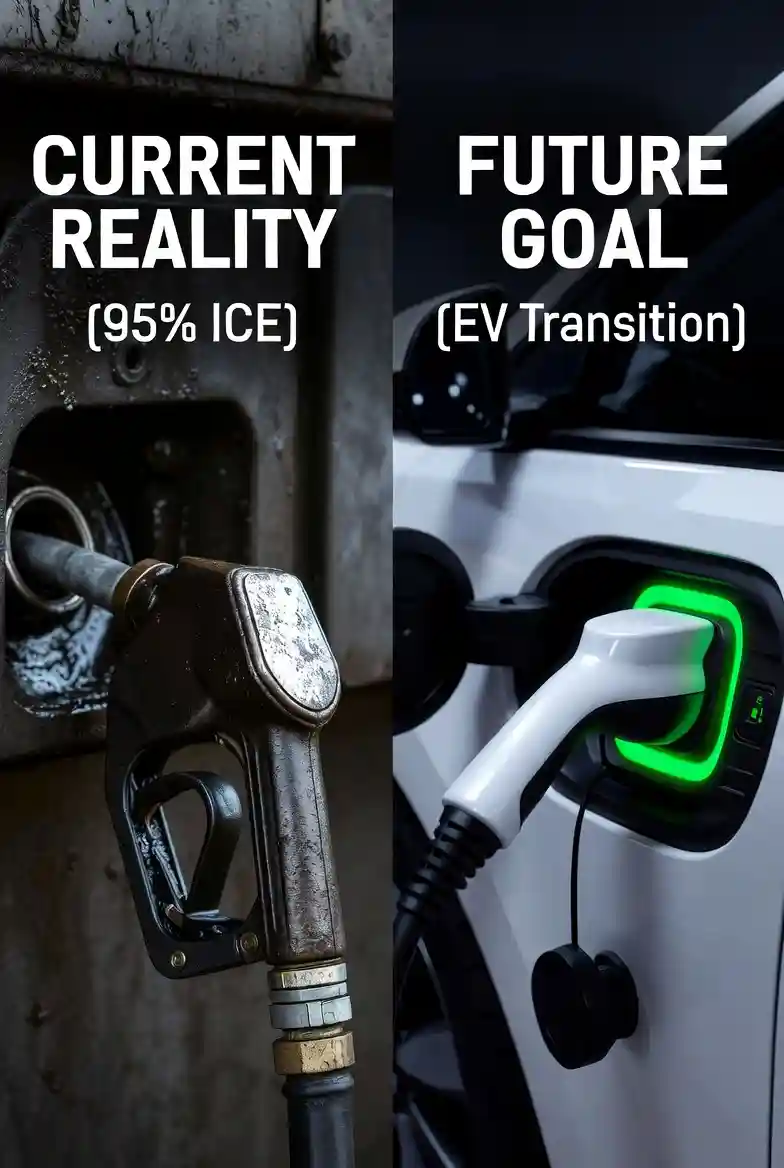
While players like Ola Electric have pushed the 2-wheeler market, automakers still earn the bulk of revenue from ICE vehicles. Any abrupt shift would hurt incumbents—and this is where uncertainty begins.
Delhi EV Policy: Signal or Speculation?
According to unofficial sources, the Delhi government may consider a ?35,000–?40,000 subsidy for two-wheelers, but only if owners scrap petrol/diesel vehicles and shift to EVs. This is not officially confirmed, but the mere possibility has refocused attention on the EV two-wheeler space.
Recommended Product
Casio Vintage A168WA Digital Grey Unisex Watch
🛒 View on Amazon →As an Amazon Associate, we earn from qualifying purchases. Price and availability may vary.
Who Stands to Gain—If Policy Moves
Approximate EV two-wheeler market shares (2025): TVS Motor Company (~26%), Bajaj Auto (~22%), Ather Energy (~17–18%), Hero MotoCorp (~10%).
What This Really Is—and What It Is Not
This Is: A reminder of long-term policy intent and a warning shot to manufacturers to diversify.
This Is Not: An EV mandate announcement or a diesel ban notification.
Nitin Gadkari’s remarks reflect direction, not destination. Markets react not because policy has changed—but because they know it eventually will.
