








Dark Oxygen? More Like Deep-Sea Disco!
Move over, photosynthesis, there’s a new oxygen party in town – and it’s happening at the bottom of the ocean. Yep, you heard that right. Scientists have stumbled upon something called “dark oxygen” (which sounds like a villain from a superhero movie, but stay with me). This isn’t your average, run-of-the-mill O2, folks. This stuff is being brewed up in the darkest depths of the Pacific, thanks to some funky little rocks called polymetallic nodules.
So, what’s the big deal? Well, this discovery is kind of like finding out your grandma secretly runs an underground nightclub. It’s unexpected, it’s intriguing, and it could change everything we thought we knew about life on Earth (and maybe even beyond). We’re talking about a potential game-changer for energy, medicine, and even the search for extraterrestrial life. But hold your seahorses, because there’s a catch: these nodules are also at the centre of a heated debate about deep-sea mining. Are we about to plunder a potential scientific goldmine, or are we risking an environmental disaster?
In this deep dive (pun intended), we’ll break down the science behind dark oxygen, explore the mysterious Clarion-Clipperton Zone where it’s being brewed, and weigh in on the ethical dilemmas this discovery presents. And hey, if you’re looking for some stunning drone footage of this underwater wonderland, be sure to check out the editor’s YouTube channels: [Drone Mitra – old channel] and [Newspatron – The new channel]. They’ve got some seriously mesmerizing videos that’ll make you want to trade your scuba gear for a submarine.[Lakshadweep Video]
The Visual Proof: See For Yourself
Buckle up, because this is one deep-sea adventure you won’t want to miss! ??
What in the World is Dark Oxygen? (And Why Should You Care?)
Let’s cut to the chase (or should we say, the abyssal plain?). Dark oxygen isn’t some mysterious, shadowy substance; it’s simply oxygen (O2), the same stuff we breathe, but with a fascinating origin story. Unlike the oxygen produced by plants through photosynthesis, dark oxygen is born in the pitch-black depths of the ocean, where sunlight doesn’t dare to tread.
Imagine a hidden underwater factory, powered not by sunshine but by an intricate chemical dance. The key players in this watery ballet are polymetallic nodules, unassuming little rocks scattered across the seafloor.
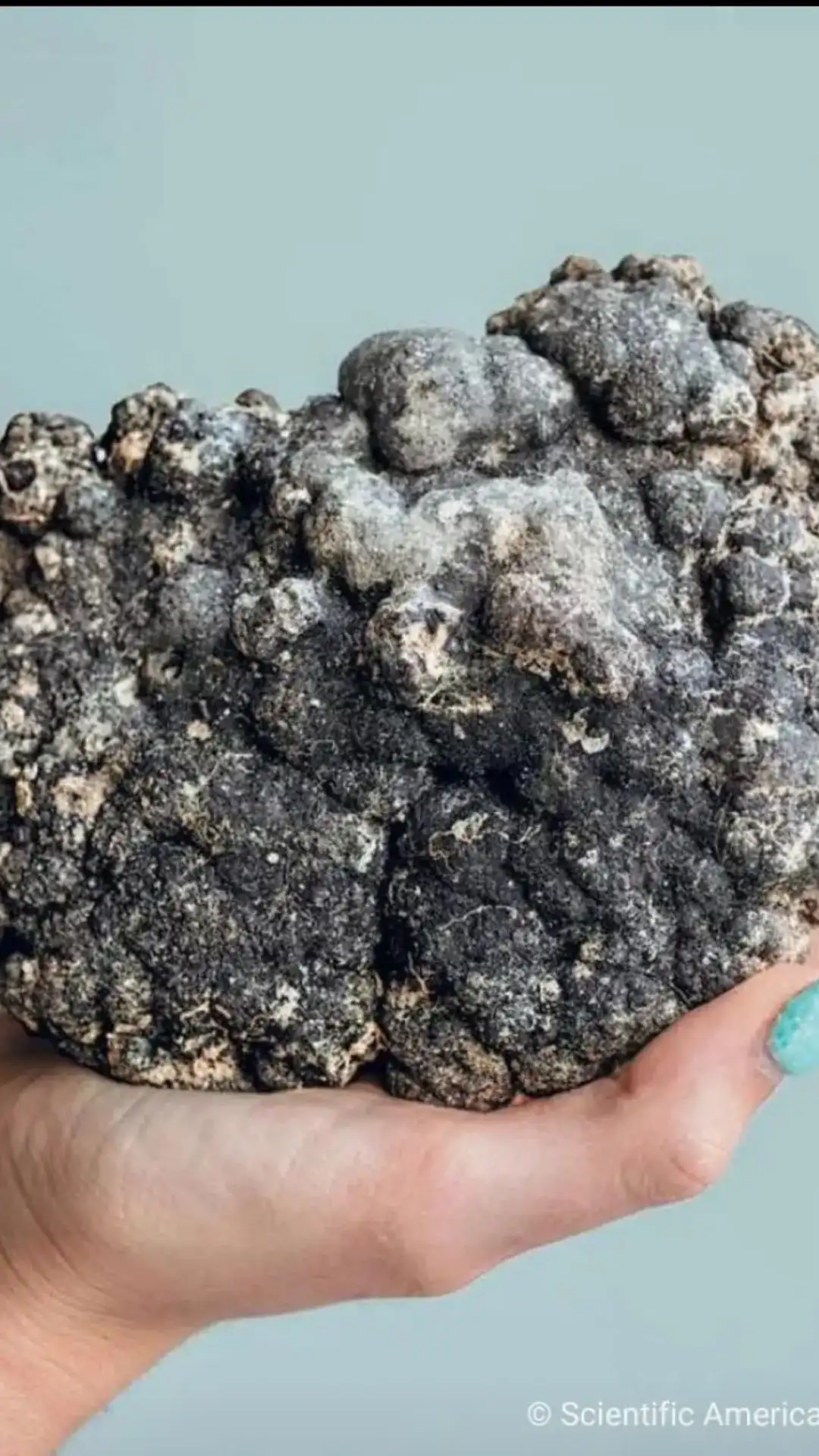
Now, electrolysis is essentially like splitting water (H?O) into its constituent parts: hydrogen (H?) and oxygen (O?). The hydrogen gets gobbled up by microbes in the sediment, but the oxygen is left to its own devices, creating a pocket of O? in an otherwise oxygen-starved environment.
Recommended Product
Magnesium Body Spray – Muscle Recovery & Lavender Scent
🛒 View on Amazon →As an Amazon Associate, we earn from qualifying purchases. Price and availability may vary.

Well, for starters, it challenges our long-held assumptions about where and how life can exist. It suggests that even in the most extreme environments, nature finds a way to concoct the building blocks of life.
This has mind-boggling implications for the search for extraterrestrial life, as it expands the potential habitats we should be looking at.
But it’s not just about aliens and sci-fi fantasies. Dark oxygen could also revolutionize our understanding of how life first emerged on Earth. Did it spark in the sun-drenched shallows, or did it bubble up from the depths, fueled by dark oxygen? The mystery deepens…

This has ignited a fiery debate about deep-sea mining and its potential to both fuel our technological needs and wreak havoc on fragile ecosystems.
So, yeah, dark oxygen is kind of a big deal. It’s not just about oxygen; it’s about the potential for life beyond Earth, the origins of life on our own planet, and the delicate balance between resource extraction and environmental protection. Buckle up, because this story is just beginning to unfold.
[Wiki Dark Oxygen] [Read about Thorium Power: The Future of Clean Energy?]
The Clarion-Clipperton Zone: An Underwater Treasure Trove with a Dark Secret
Alright, now that we’ve got a handle on what dark oxygen is, let’s talk about its exclusive VIP lounge: the Clarion-Clipperton Zone (CCZ) [Read More]. Imagine a vast underwater expanse, stretching between Hawaii and Mexico, a realm of darkness and mystery where sunlight is but a distant memory. This isn’t your typical beach vacation destination, but for scientists, it’s a goldmine of discovery.

But here’s the twist: these nodules aren’t just valuable for their mineral wealth. They’re also the secret ingredient in Mother Nature’s dark oxygen recipe. The unique conditions in the CCZ – the specific cocktail of minerals in the nodules, the chemistry of the seawater, and even the electrical currents that pulse through the seabed – create the perfect environment for dark oxygen production. It’s like stumbling upon a hidden speakeasy where nature is mixing up a new kind of cocktail.

The abundance of polymetallic nodules has sparked a frenzy of interest in deep-sea mining, a prospect that has environmentalists waving warning flags faster than a school of startled fish.
Deep-sea mining could wreak havoc on this delicate ecosystem, disrupting food chains, stirring up sediment plumes, and potentially releasing harmful substances into the water. It’s a high-stakes gamble, pitting the allure of valuable resources against the potential for irreversible environmental damage. The fate of this underwater treasure trove hangs in the balance, and the decisions we make now could have ripple effects for generations to come.
How Does Dark Oxygen Even Happen? (The Chemistry of the Deep)
Alright, science aficionados, let’s dive into the nitty-gritty of how dark oxygen gets its groove on. Forget about leafy green plants and sunshine; this is a whole different kind of chemical jam session, happening in the most unlikely of venues.
Picture those polymetallic nodules again, chilling on the ocean floor like lumpy disco balls. But these nodules aren’t just pretty to look at; they’re also buzzing with electrical energy. It’s like they’re plugged into the seabed’s own power grid.
This electrical charge comes from the unique mix of metals within the nodules, creating a kind of natural battery. When seawater comes into contact with these charged nodules, it sets off a chain reaction that splits water molecules (H?O) into their constituent parts: hydrogen (H?) and oxygen (O?).
Video Credit Minuk (@minuk_weerakoon tech video expert) https://linktr.ee/minuk_weerakoon
Now, the hydrogen doesn’t stick around for long. It’s quickly snatched up by hungry microbes in the sediment, leaving the oxygen to party on its own. This oxygen, produced in the absence of light, is what we call “dark oxygen.”
But this isn’t just some random chemical quirk. The electrical potential in those nodules could be harnessed as a source of energy. It’s like discovering a hidden network of power plants scattered across the ocean floor. While we’re still in the early stages of understanding this phenomenon, the possibilities are electrifying.
But hold on tight, because the story doesn’t end there. Dark oxygen production isn’t a one-hit wonder; it’s a continuous performance, playing out on a massive scale across the CCZ. This suggests that dark oxygen could be a major player in deep-sea ecosystems, potentially supporting a hidden world of life that we’re only beginning to understand. It’s like finding a secret rave in the darkest corner of the club – who knows what other surprises are lurking in the depths?
Recreating the Deep-Sea Lab: Can We Bottle Dark Oxygen?
Now that we’ve cracked open the science behind dark oxygen, the next question is: Can we bottle this magic? Can we recreate this process in a lab and potentially harness its power? Well, the good news is that scientists are already on it, channelling their inner mad scientists to recreate the conditions of the CCZ in a controlled setting.
They’ve hauled up samples of polymetallic nodules and seawater from the depths, carefully recreating the electrical currents and chemical reactions that give birth to dark oxygen. And guess what? They’ve successfully coaxed dark oxygen to bubble forth in their beakers!

But, as with any scientific breakthrough, there are challenges ahead. One of the biggest hurdles is scaling up production. While lab experiments have successfully produced small amounts of dark oxygen, generating it on a large scale is a different kettle of fish entirely. Think of it as trying to brew a bathtub full of beer using a homebrew kit. The proportions and conditions need to be adjusted, and that’s no easy task.
Then there’s the elephant in the room: environmental impact. Replicating dark oxygen production in a lab raises questions about energy consumption, waste disposal, and the ethical sourcing of polymetallic nodules. We can’t just go plundering the ocean floor without considering the consequences for delicate ecosystems.
Despite these challenges, the potential applications of dark oxygen are enough to make any tech enthusiast drool. Imagine a world where we could generate clean energy from the depths of the ocean, powering our cities with the very essence of life itself. Or picture medical breakthroughs, where dark oxygen therapies revolutionize how we treat diseases. It’s a futuristic vision, but the science is starting to back it up.
The future of dark oxygen research is a thrilling rollercoaster ride, full of twists, turns, and unexpected discoveries. We’re still in the early stages of this adventure, but the potential for groundbreaking innovations is undeniable. As we continue to unravel the secrets of this enigmatic phenomenon, we must tread carefully, balancing our thirst for knowledge with a deep respect for our planet and its precious resources.
Watch a Video
https://www.usgs.gov/products/multimedia-gallery/videos
Why Should We Care About This Underwater Oxygen Party? (Beyond Aliens and Sci-Fi Dreams)
Okay, so we’ve got this dark oxygen thing happening in the deep sea. So what? Why should we care about something happening miles below the surface where sunlight barely reaches? Well, grab your snorkels, folks, because this discovery has some pretty major implications.
First of all, dark oxygen is challenging our understanding of life itself. For centuries, we’ve believed that sunlight and photosynthesis were the essential ingredients for life to thrive. But dark oxygen suggests that life can find a way, even in the most extreme and unexpected places. This opens up a whole new world of possibilities for where we might find life beyond Earth. If life can exist without sunlight in the deep ocean, could it also exist in the icy depths of Europa or the subterranean oceans of Mars? It’s enough to make any sci-fi fan giddy with excitement.
But the implications go beyond just extraterrestrial life. Dark oxygen could also revolutionize our understanding of how life originated on Earth. Did life first spark in the sunlit shallows, or did it emerge from the depths of the ocean, fueled by dark oxygen? It’s a question that has scientists scratching their heads and rewriting textbooks.
And let’s not forget about the practical applications. Remember those polymetallic nodules that are generating all this dark oxygen? They’re also packed with valuable metals that are essential for modern technology, like batteries and electronics. The potential for deep-sea mining is huge, but so are the risks. Extracting these nodules could disrupt delicate ecosystems and cause irreversible damage to the ocean floor.
It’s a classic ethical dilemma: do we prioritize potential economic gains or the health of our planet? The debate around deep-sea mining is heating up, and dark oxygen is adding fuel to the fire. The decisions we make now could have far-reaching consequences for both the environment and our future.
So, yeah, dark oxygen is kind of a big deal. It’s not just about oxygen; it’s about the potential for life, the origins of life, and the future of our planet. It’s a story of discovery, innovation, and ethical responsibility. It’s a story that’s still unfolding, and we’re all invited to be a part of it. So, keep your eyes on the deep sea, because who knows what other surprises are lurking in the darkness.
The Future of Dark Oxygen: Navigating the Depths of Discovery and Responsibility
Alright, we’ve plunged into the depths of dark oxygen, from its funky origins in the CCZ to its potential to shake up our understanding of life and energy. But the big question remains: Is this just a passing scientific fad, or are we on the cusp of a dark oxygen revolution?
Let’s be real, the hype around dark oxygen is real. It’s like the new kid on the scientific block, everyone’s talking about it, and there’s a lot of potential. But with great potential comes great responsibility (thanks, Uncle Ben). Before we start dreaming of dark oxygen-powered cities, we need to take a closer look at the challenges and realities ahead.
First and foremost, there’s the issue of scaling up production. While lab experiments have shown promise, producing dark oxygen on a scale that could make a real-world impact is a whole different ballgame. It’s like trying to recreate a symphony orchestra with just a couple of instruments. We need to figure out how to make this process efficient, cost-effective, and environmentally friendly before we can start talking about widespread applications.
And speaking of environmental impact, deep-sea mining remains a major concern. The very nodules that produce dark oxygen are also valuable sources of metals like cobalt and nickel, essential for batteries and electronics. The temptation to plunder the ocean floor for these resources is strong, but the potential consequences for marine ecosystems are dire. We’re talking about habitat destruction, pollution, and potential disruptions to the delicate balance of life in the deep sea.
So, what’s the verdict? Is dark oxygen the next big thing, or is it just a flash in the pan? Well, it’s too early to say for sure. But what we do know is that this discovery has opened up a Pandora’s box of questions and possibilities. It’s a reminder that the ocean still holds many secrets waiting to be discovered, and that scientific exploration is essential for our understanding of the world and our place in it.
The future of dark oxygen is uncertain, but it’s also incredibly exciting. We’re on the cusp of a new era of scientific discovery, where the depths of the ocean are revealing their hidden treasures. Whether dark oxygen lives up to the hype or not, one thing is certain: the journey to uncover its secrets will be filled with challenges, ethical dilemmas, and the potential for groundbreaking discoveries that could change our world. So let’s dive in, explore responsibly, and see where this dark oxygen adventure takes us.
Conclusion: Dark Oxygen – The Next Frontier in Ocean Exploration
Join the Discussion
Your opinion matters! We invite you to express your views. Join our forum, engage in thoughtful discussions, share information, and submit your content. Let’s delve into diverse perspectives together.
[bbp-single-topic id=7034]
As we resurface from our deep dive into the world of dark oxygen, it’s clear that this discovery is more than just a scientific curiosity. It’s a potential game-changer that could reshape our understanding of life, energy, and the delicate balance of our planet.
We’ve explored the mysteries of the Clarion-Clipperton Zone, the unusual chemistry behind dark oxygen production, and the ongoing debate surrounding deep-sea mining. We’ve seen how this discovery could revolutionize our search for extraterrestrial life, challenge our understanding of life’s origins, and potentially provide new sources of clean energy.
But we’ve also seen the potential risks and ethical dilemmas associated with deep-sea mining. The choices we make now will have far-reaching consequences for the future of our oceans and the life they support. It’s a reminder that scientific progress must be tempered with responsible stewardship of our planet.
So, is dark oxygen a game-changer or just a passing fad? Only time will tell. But one thing is certain: the journey to uncover its secrets is just beginning, and it promises to be an exciting ride. As we continue to explore the depths of our oceans, we’re bound to uncover even more mysteries and surprises. And who knows, maybe dark oxygen is just the tip of the iceberg.


[…] exposure to sunlight and saltwater—a process as mysterious as the deep-sea phenomena explored in Dark Oxygen: Deep-Sea Disco & Ocean’s Secret—it hardens and oxidises, developing a sweet, musky […]