


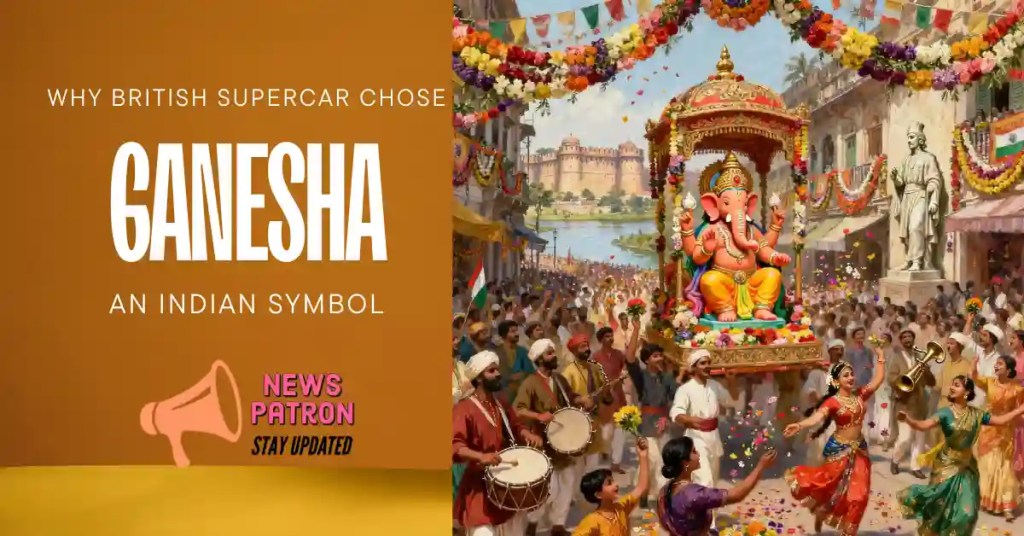

Why a British Supercar Chose an Indian Symbol
A British supercar company choosing Ganesh as its emblem is not a design gimmick. It is a signal.
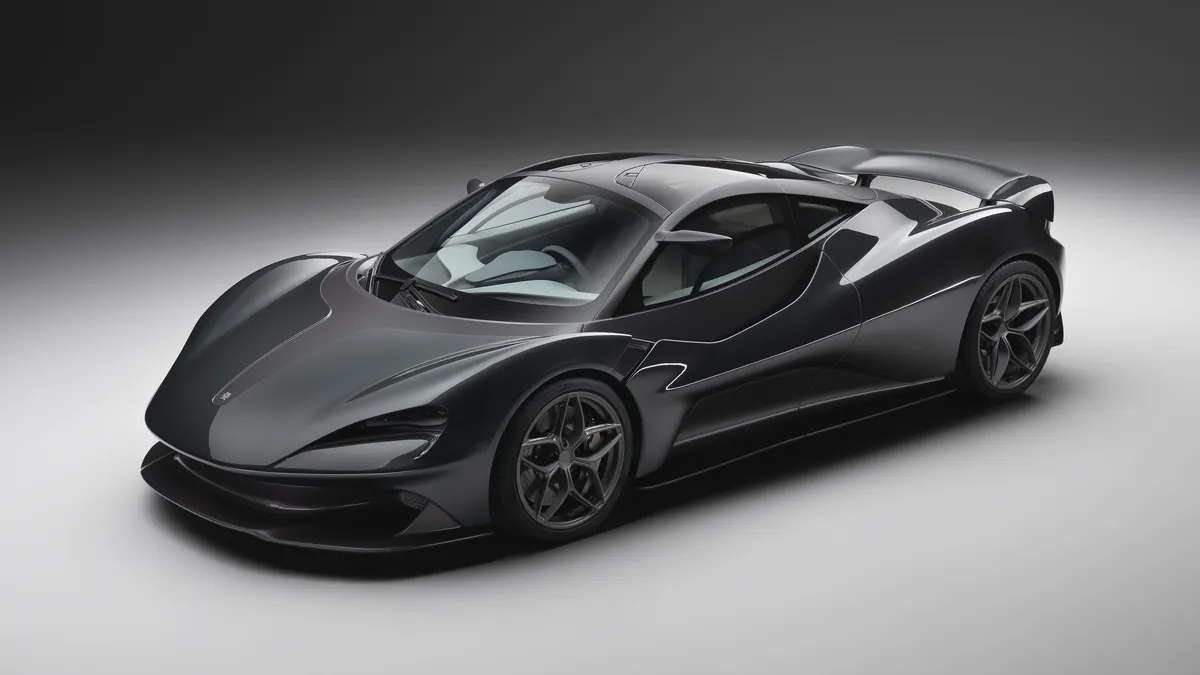
When UK-based automotive specialist Lanzante revealed a logo inspired by Ganesh—the remover of obstacles—it quietly underscored a shift that has been unfolding for years: Indian cultural symbols are no longer confined to geography or religion. They are increasingly being read as a global design language.
The Meaning
According to Lanzante, the symbolism was deliberate. Ganesh represents wisdom, protection, balance, and flawless movement—qualities that align naturally with high-performance engineering. In a sector obsessed with precision and motion, the metaphor resonates without translation.
The Shift
What makes this moment notable is not the logo alone, but the context in which it appears.
Indian culture today travels globally through ideas rather than instruction. Yoga studios operate from New York to Tokyo. Sanskrit terms appear in wellness branding. Ayurveda influences global health conversations. Spiritual iconography, once seen as niche or exotic, is now understood as universal symbolism.
Why It Matters
This adoption is not about religious endorsement. It is about semiotics—how meaning travels across cultures. Global brands increasingly look for symbols that convey trust, continuity, and mastery. Indian civilizational motifs offer exactly that, without requiring explanation.
The Lanzante case illustrates how India’s soft power is no longer being exported intentionally; it is being selected organically. Designers, engineers, and brand strategists are choosing Indian symbols because they work—visually, philosophically, and emotionally.
This is not cultural dilution. It is cultural fluency.
Want the full design analysis?
Read the complete report here.
#quickreads

[…] (Note: Curious about the quick breakdown? Read the 60-Second Design Brief here.) […]