



We often assume that conversation is simple. After all, we have been talking since we were toddlers, practicing with an enormous number of partners every day of our lives. Yet, many adults reach maturity feeling that social interaction should be effortless, only to be baffled by awkward silences, misunderstandings, or the sinking feeling of being disliked.
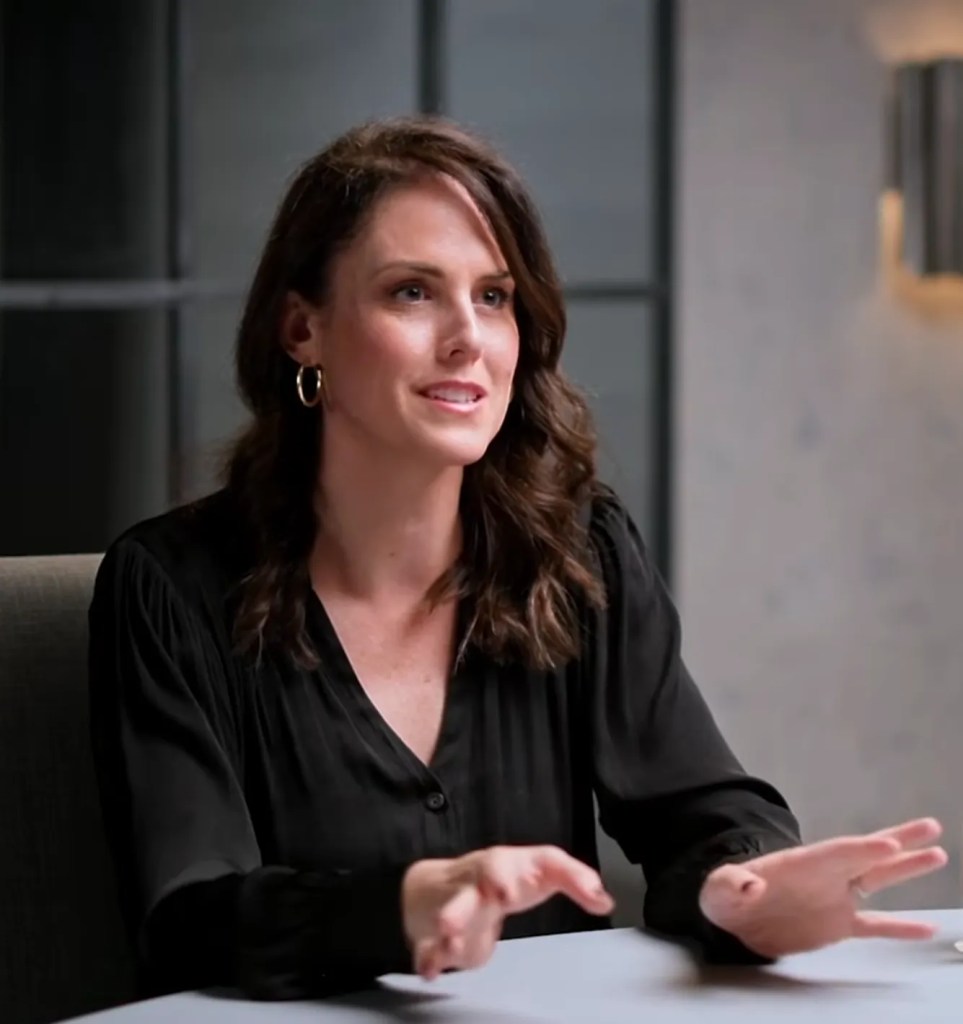
The stereotype suggests that “some people are just bad at talking.” The reality is far more intricate. Harvard behavioral scientist Alison Wood Brooks has spent two decades studying conversational science—transcribing and analyzing interactions at a massive scale—to uncover why communication breaks down and how we can repair it. Her insights, detailed in her new book Talk: The Science of Conversation and the Art of Being Ourselves, reveal that being likable isn’t an innate talent; it’s a learnable skill grounded in psychology.
This report explores the psychological factors behind social dislike, the data-driven strategies to improve likability, and practical tools to foster stronger relationships.
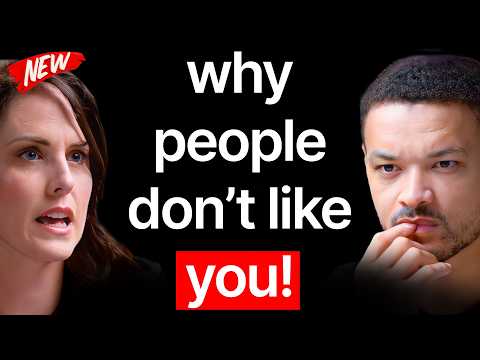
(You can watch the full breakdown of these concepts here: Harvard’s Behaviour Expert: The Psychology Of Why People Don’t Like You!)
The Hidden Complexity of Conversation
Misunderstanding is more common than we like to admit. As Brooks notes, “On my worst days, I worry that everybody’s walking around being misunderstood.” This happens because we can never fully express the entire contents of our minds; we are always curating a subset of our personality to share, and no one does this perfectly.
The consequences of this “curation failure” are significant. When we look under the hood of conversation, we find the root causes of why we get defensive, why we seem boring, or why we accidentally hurt others. In Talk: The Science of Conversation, Brooks explains that these moments of friction are often where relationships are either made or broken.
A pivotal 2011 study by Brooks, titled “Get Excited,” demonstrated how emotions directly shape these outcomes. In high-stakes situations like negotiations, unmanaged anxiety leads individuals to make premature concessions or exit interactions early just to relieve their distress. This avoidance behavior is often misinterpreted by others as hostility or incompetence.
Core Psychological Factors
1. Social Anxiety and the “Get Excited” Reframe
Most people feel anxious before negotiations or high-stakes conversations due to the intense environment and lack of control. This anxiety manifests physically—high heart rate, high cortisol, and sweaty palms.
- The Data: Brooks discovered that “calming down” is chemically difficult. However, reframing that anxiety as excitement is highly effective because both emotions share a high-arousal state.
- The Impact: In studies involving singing and public speaking, participants who simply said “I am excited” out loud performed significantly better than those who said “I am anxious.”
2. Small Talk Fatigue
Many people claim to “hate small talk,” perceiving it as shallow or a waste of time. However, abandoning it completely is a strategic error.
Recommended Product
Casio Vintage A168WA Digital Grey Unisex Watch
🛒 View on Amazon →As an Amazon Associate, we earn from qualifying purchases. Price and availability may vary.
- The Reframe: As outlined in Talk: The Science of Conversation and the Art of Being Ourselves, small talk is a necessary social ritual where strangers “land” to establish connection. It serves as the base of the Topic Pyramid. The goal is not to stay there, but to use it as a launchpad to move rapidly toward “Tailored Talk” and eventually “Deep Talk.”
- Recommendation: If you struggle with moving past the weather, buy the book on Amazon to learn specific techniques for navigating the Topic Pyramid effectively.
3. Introversion Misinterpreted
Introverts or those with social anxiety often feel “shut down” in unfamiliar settings. In large groups, they may withdraw to “loiter by the guacamole” rather than attempting to fix awkward silences.
- The Misunderstanding: While this is a valid energy management strategy, it is often misread by others as aloofness, arrogance, or disinterest. Understanding your “social portfolio”—who you talk to and in what group size is key to managing this perception.
Practical Strategies: The TALK Framework
To move from awkward to likable, Brooks suggests applying the science-backed TALK framework.
- T (Topics): Prepare topics 30 seconds ahead of time. Studies show this leads to smoother conversations and less anxiety.
- A (Asking): Ask more questions. Data from speed dating shows that asking just one more question significantly increases the chance of a second date.
- L (Levity): Use humor and warmth. Since the human mind wanders 25% of the time, levity is essential to keep people engaged.
- K (Kindness): Use micro-validations. Even if you disagree, validating someone’s feelings prevents defensiveness.
For a comprehensive guide on mastering these four pillars, pick up Talk: The Science of Conversation and the Art of Being Ourselves (Buy on Amazon).
Conclusion
Being disliked is rarely the result of unchangeable personality flaws. It is often the result of misunderstood signals, unmanaged anxiety, or simple conversational missteps like “Boomer Asking.”
By reframing our emotions and practicing structured strategies, anyone can become more likable and persuasive. The path forward is not about perfection—conversations are naturally messy—but about awareness. With tools from Talk: The Science of Conversation, we can transform social anxiety into excitement and foster deeper connections.
Follow Alison:
- Instagram: @alisonwoodbrooks
- Website: alisonwoodbrooks.com
- TalkStudios: TalkStudios
