




Avatar Fire and Ash 2025: Visual Power, Story Test
When Spectacle Becomes the Story
Some films arrive as events. Others arrive as worlds. Avatar: Fire and Ash tries to be both—and that ambition is exactly where it dazzles and, at times, stumbles. This piece looks beyond hype to understand what James Cameron’s third Avatar chapter actually delivers, how audiences are responding, and why reactions are more divided than ever.
Let curiosity be your guide. Truth Without Bias, Facts Without Fiction.
Quick Summary: Read the Neural Explainer on Avatar 3.
James Cameron’s Avatar: Fire and Ash is one of the most expensive, technically ambitious, and heavily anticipated films of 2025. As the third entry in the Avatar franchise, it continues the saga of Pandora with a new Na’vi tribe—the Ash People—while expanding a universe that Cameron has been building for over two decades.
Visually, the film is impossible to ignore. Nearly the entire production relies on advanced CGI, motion capture, and high-frame-rate 3D. Cameron has confirmed in interviews with outlets like Deadline and CBS News that no generative AI was used in creating the film’s visuals, emphasizing human performance capture over automation. The result is once again a technical benchmark, especially in volcanic environments and fire-based ecosystems tied to the Mangkwan (Ash) clan.
Yet as audience reactions and critical reviews suggest, visual brilliance alone may no longer be enough.

A Familiar Journey Through an Expanding World
Fire and Ash remains tightly connected to Avatar (2009) and The Way of Water (2022). Watching the earlier films is not optional; this story assumes full familiarity with the Sully family, Pandora’s ecological politics, and the long-running human–Na’vi conflict.
The film spends considerable time on character relationships and internal conflicts before escalating into large-scale confrontations. For some viewers, this slow build adds emotional weight. For others, it feels stretched. The first half leans heavily into drama, and multiple audience reactions on platforms like X and Reddit’s r/movies note pacing issues, especially given the film’s 3-hour-15-minute runtime.
That sense of déjà vu appears frequently in discussions. Several critics, including The Guardian and RogerEbert.com, describe the narrative as repetitive—echoing themes and story beats already explored in previous Avatar films. Fans, however, often frame this repetition as deliberate world expansion rather than creative fatigue.
The Ash People and the Question of Novelty
The introduction of the Ash People is meant to signal a tonal shift. Unlike earlier clans tied to water, forests, or sky, this group is shaped by fire, volcanic terrain, and harsher survival instincts. Visually, they are striking. Dramatically, opinions are split.
Recommended Product
Trylo Riza T-Fit Women's Bra – Comfortable Daily Wear
🛒 View on Amazon →As an Amazon Associate, we earn from qualifying purchases. Price and availability may vary.
Some reviewers praise the Ash clan for deepening Pandora’s moral complexity, while others argue they function more as an extension of existing conflicts than a true narrative disruption. A recurring sentiment across ScreenCrush, IGN, and high-engagement Reddit threads is that the universe is expanding faster than the story is evolving.
Audience vs Critics: A Clear Divide
The data shows a familiar pattern. On Rotten Tomatoes, Avatar: Fire and Ash holds a lower critic score than its predecessors, while the audience score remains significantly higher. Many viewers describe being emotionally moved, impressed by scale, and fully immersed—especially during the final act where multiple clans collide.
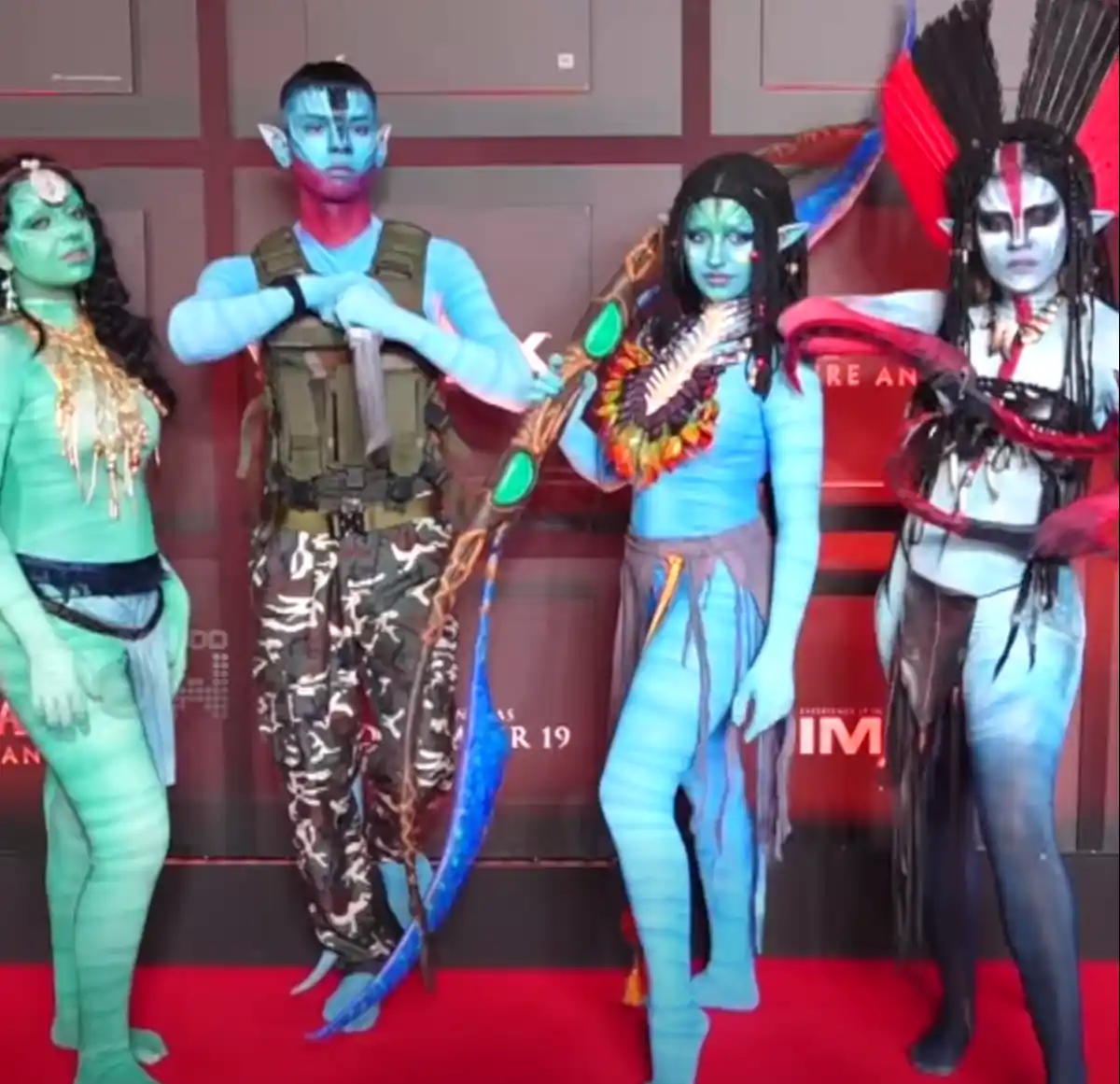
Critics, by contrast, are more skeptical. Roughly half point to franchise fatigue, suggesting that what once felt groundbreaking now feels expected. The runtime amplifies this divide: some call it immersive, others exhausting.
Why This Film Still Matters
Even with mixed reactions, Avatar: Fire and Ash remains culturally significant. It reinforces Cameron’s position as a filmmaker willing to gamble on original worlds in an industry dominated by reboots. It also raises a broader question facing modern franchises: how long can expansion substitute for reinvention?
Financially, early box-office indicators suggest strong performance, supported by loyal fans and premium-format screenings. Creatively, the conversation has shifted—from awe alone to expectations of narrative risk.
That shift may be the most important takeaway.
Final Reflection
Avatar: Fire and Ash is not a failure, nor is it universally celebrated. It is a film caught between mastery and momentum, between technical perfection and storytelling familiarity. Whether viewers see it as a triumphant continuation or an overextended chapter may depend less on quality—and more on how much wonder they still expect from Pandora.
AI Editorial Note: This article was structured with AI assistance to synthesize verified reviews, audience reactions, and media reporting. Interpretations belong to original sources. Let curiosity be your guide.
