




Diwali’s just around the corner, and the festive vibes are already in the air! But hold on, did you know there’s another special day tucked away in the Diwali festivities that’s all about celebrating the incredible bond between mothers and their children? It’s called Ahoi Ashtami, and it’s a day filled with love, fasting, and heartfelt prayers.
Now, I know what you might be thinking – “Another festival? I can barely keep up with all the Diwali prep!” But trust me, this one’s worth knowing about. Ahoi Ashtami is a beautiful tradition where mothers dedicate an entire day to the well-being of their kids. It’s a testament to that fierce, unwavering love that only a mother can have.
Curious to learn more? Stick around, because we’re about to dive into the heartwarming story of Ahoi Ashtami, explore its rituals, and discover why it holds such a special place in the hearts of many.
And hey, while you’re here, don’t forget to check out my YouTube channels! DroneMitra – “Your Eye in the Sky” – for all things drone-related, and Newspatron – “News and Views That Matter” – for your daily dose of informative and entertaining content.
Before we dive into the specifics of Ahoi Ashtami, let’s take a moment to appreciate the fascinating world of Hindu astrology and timekeeping. Have you ever heard of the Panchang? It’s like a cosmic calendar, a guide that helps us understand the rhythms of the universe and make the most of auspicious moments.
The word “Panchang” literally means “five limbs” ( panch meaning five and aang meaning limbs). These five limbs are the core elements that make up this intricate system:
- Nakshatra: The lunar mansion, or the constellation the moon is traversing.
- Tithi: The lunar day, based on the moon’s position relative to the sun.
- Yoga: The angular relationship between the sun and the moon.
- Karana: Half of a lunar day, a more precise division of time.
- Vara: The day of the week, each ruled by a specific planet.
Together, these five elements paint a detailed picture of time, revealing its auspicious and inauspicious qualities. The Panchang is used to determine the best times for everything from weddings and festivals to starting new ventures and even making important purchases.
Recommended Product
Waterproof Car Body Cover for Maruti Dzire 2017-2023
🛒 View on Amazon →As an Amazon Associate, we earn from qualifying purchases. Price and availability may vary.
Want to learn more about this fascinating system? I recently wrote a blog post about the Panchang and its significance, especially during the Diwali season. You can check it out here: [Panchang Significance in Day to Day Life].
Understanding the Panchang can deepen your appreciation for Hindu traditions and help you connect with the cosmic energies that influence our lives. So, take a moment to explore this ancient wisdom and unlock the secrets of time!
Now, let’s get back to our main story… Ahoi Ashtami awaits!
Diwali Calendar 2024
What is Ahoi Ashtami?
Imagine a festival where mothers become superheroes, fasting and praying for the well-being of their children. That’s Ahoi Ashtami in a nutshell! It’s a beautiful Hindu tradition celebrated with immense love and devotion, especially in North India.
Falling about eight days before Diwali, Ahoi Ashtami is like a warm-up act to the grand festival of lights. It’s a time when families come together, share stories, and revel in the spirit of togetherness. You see, Diwali isn’t just about fireworks and sweets; it’s also about these smaller, more intimate celebrations that make it truly special.
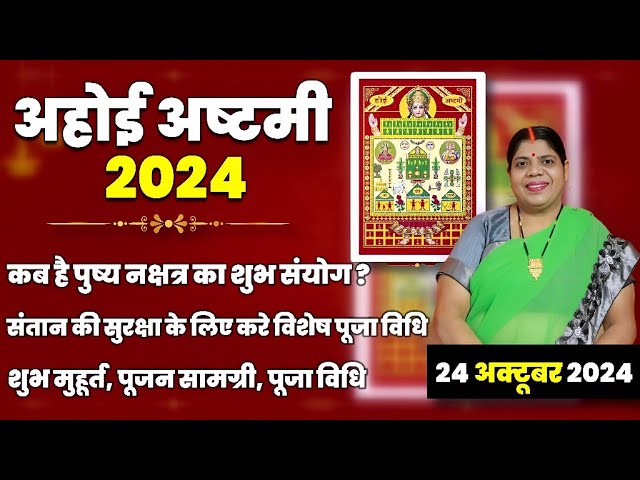
Ahoi Ashtami, sometimes called Ahoi Aathe, is observed on the eighth day (Ashtami) of the Krishna Paksha (the dark fortnight) in the month of Kartik. It’s a day dedicated to Mata Ahoi, a divine mother figure who protects and blesses children.
[Read Just about the Krishna Paksha and Shukla Paksha] OR
[Read a Full Blog post about Tithi Pravesha – The Annual Horoscope for the individual – Unlock Your Destiny with Tithi Pravesha: The Ultimate Vedic Annual Horoscope]
The Legend Behind the Festival
Now, every festival has a story, right? And Ahoi Ashtami is no exception. Legend has it that there was once a woman who accidentally killed a lion cub while digging soil. The lioness, heartbroken and enraged, cursed the woman, causing her own children to perish.


Overcome with grief, the woman sought forgiveness and performed the Ahoi Ashtami puja with utmost devotion. Touched by her sincerity, the lioness relented and blessed her with healthy children. It’s a story that reminds us of the power of repentance and the unconditional love of a mother.
There is another fascinating story about King Chandrabhan and his wife. They lost all their children and were led to observe Ahoi Ashtami by a saint. Through their dedicated fasting and prayers, they were blessed with their children back. These tales, passed down through generations, highlight the significance of Ahoi Ashtami in fulfilling the desires of a mother’s heart.
Why is it Called Krishna Ashtami?
Ever wondered why this festival also goes by the name “Krishna Ashtami?” Well, it’s because of the deep connection it shares with Lord Krishna, the beloved deity known for his playful nature and boundless love.
Lord Krishna was born during the waning phase of the moon, on the Ashtami Tithi. And when he’s worshipped alongside Radha, his divine consort, it is believed that he is immensely pleased and showers his devotees with blessings. So, on this day, mothers invoke the blessings of Lord Krishna and Radha for the happiness and prosperity of their children.
Observing Ahoi Ashtami
The Rituals and Traditions
Ahoi Ashtami is a day of fasting and prayer, but it’s also a beautiful tapestry of rituals that have been passed down through generations. Let’s unravel these traditions and understand their significance.
The Nirjala Fast: Mothers observe a strict fast on this day, abstaining from both food and water. It’s a powerful display of their unwavering devotion and love for their children. Now, I know what you might be thinking—a nirjala fast sounds intense! And it is. But it’s also a testament to a mother’s strength and determination to ensure the well-being of her little ones.
Offering Arghya to the Stars: As the sun sets and the stars begin to twinkle, mothers gather to offer arghya (water) to the stars. It’s a symbolic gesture of seeking blessings from the celestial bodies, believed to be the guardians of children. Imagine a group of mothers, their faces illuminated by the soft glow of the evening sky, pouring water with heartfelt prayers. It’s a truly mesmerizing sight!
The Ahoi Locket:
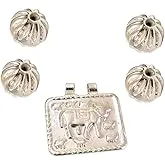
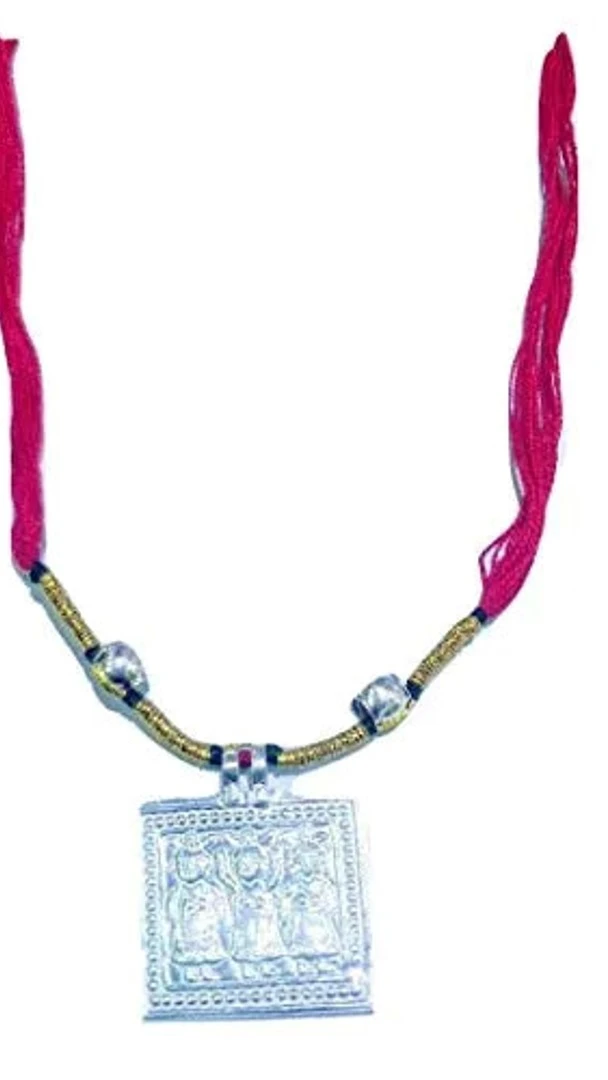
This is where things get interesting! Many mothers wear a special Ahoi locket, usually made of silver, with a tiny pearl inside. Each year, another pearl is added to the locket, symbolizing the growing years of their child. It’s like a beautiful timeline of their motherhood journey, captured in a single piece of jewelry. And guess what? If a new baby boy arrives or there’s a wedding in the family during Ahoi Ashtami, more pearls are added to celebrate the joyous occasion!
Ujjwan Puja: This is a heartwarming ritual where seven married women, known as suhagins, are invited and honored. They are offered delicious sweets and savories, symbolizing prosperity and blessings. It’s a way of sharing the joy of Ahoi Ashtami with other mothers and seeking their blessings for the family.
Ahoi Ashtami 2024: Date and Timings
Mark your calendars! This year, Ahoi Ashtami falls on Thursday, October 24, 2024. The auspicious time for performing the puja is between 5:42 PM and 6:55 PM. And the best time to offer arghya to the stars is after 7:00 PM, when they are clearly visible in the night sky.
A Special Yoga: Pushya Nakshatra
Here’s something interesting! This year, Ahoi Ashtami coincides with Pushya Nakshatra, a highly auspicious time according to Hindu astrology. It’s believed that any purchase made during this period, especially of valuable items, will bring good fortune and prosperity. So, if you’ve been eyeing that beautiful piece of jewelry or planning a special gift for your child, this might be the perfect time to go for it! Pushya Nakshatra begins at 11:11 AM on October 24th and lasts until 11:55 AM on October 25th.
Ahoi Ashtami: A Celebration of Motherhood and Children
Ahoi Ashtami isn’t just about rituals and fasting; it’s a celebration of the profound bond between a mother and her children. It’s a day to reflect on the joys and challenges of motherhood, and to reaffirm the unwavering love that binds families together.
Honoring Daughters
Traditionally, Ahoi Ashtami has been associated with praying for the well-being of sons. But let’s be real, in today’s world, daughters are equally cherished and celebrated! They bring just as much joy, strength, and love to a family.
So, whether you have a son, a daughter, or both, Ahoi Ashtami is a day to shower them with love and blessings. It’s a reminder to nurture their dreams, support their aspirations, and empower them to become the best versions of themselves. After all, strong daughters make strong families, and strong families make a strong society.
Santan Vati Vrat: A Wish for Children
Ahoi Ashtami also holds a special significance for those yearning to experience the joys of parenthood. The “Santan Vati Vrat” is a fast observed by women who wish to conceive a child. It’s a beautiful expression of hope and faith, a prayer whispered to the universe with a longing heart.
If you’re on this journey, know that Ahoi Ashtami is a day to embrace your dreams and believe in the power of your prayers. Surround yourself with positivity, and remember that every child is a blessing, a gift that fills life with purpose and unconditional love.
The Essence of Ahoi Ashtami
At its core, Ahoi Ashtami is a celebration of love, protection, and blessings. It’s a day for mothers to express their deepest emotions, to pray for their children’s happiness, and to create lasting memories with their families.
Whether you observe the fast, perform the rituals, or simply spend the day showering your children with love, Ahoi Ashtami is a beautiful reminder of the precious bond that connects us all. It’s a day to cherish the little moments, to express gratitude for the gift of family, and to celebrate the incredible journey of motherhood.
Conclusion
So there you have it – the heartwarming story of Ahoi Ashtami! It’s a festival that truly captures the essence of a mother’s love and the special bond she shares with her children. Whether you’re fasting, praying, or simply spending quality time with your family, Ahoi Ashtami is a beautiful reminder to cherish these precious connections.
And remember, it’s not just about sons; it’s about celebrating all children, daughters included! They are our future, our pride, and the ones who will carry our legacy forward.
As you gear up for Diwali, take a moment to embrace the spirit of Ahoi Ashtami. Share its story with your loved ones, and let’s spread the message of love, protection, and blessings.
Read previous blog posts about
Dhanteras
Read How to Celebrate the Festival of Health and Wealth
Vagh Baras, (Vaak Baras), aka Vasu Baras, or Govatsa Dwadashi
Now, I’d love to hear from you! How do you celebrate Ahoi Ashtami in your family? Share your traditions and stories in the comments below.
And hey, before you go, don’t forget to:
- Share this post with your friends and family on Facebook, Twitter, Instagram, Tumblr – let’s spread the Ahoi Ashtami cheer!
- Subscribe to my YouTube channels – DroneMitra and Newspatron – for more awesome content.
- Join the conversation on my WhatsApp Channel and Telegram group.
- Stay updated with the latest posts by subscribing to my RSS feed.
- Connect with me on LinkedIn for professional networking.
Wishing you and your family a joyous Ahoi Ashtami filled with love, laughter, and blessings!
