





Content warning: This article discusses alcohol, state prohibition, black markets, police inaction, and public lawlessness.
The Viral Scene: Boozehounds, Crates And No Cops In Sight
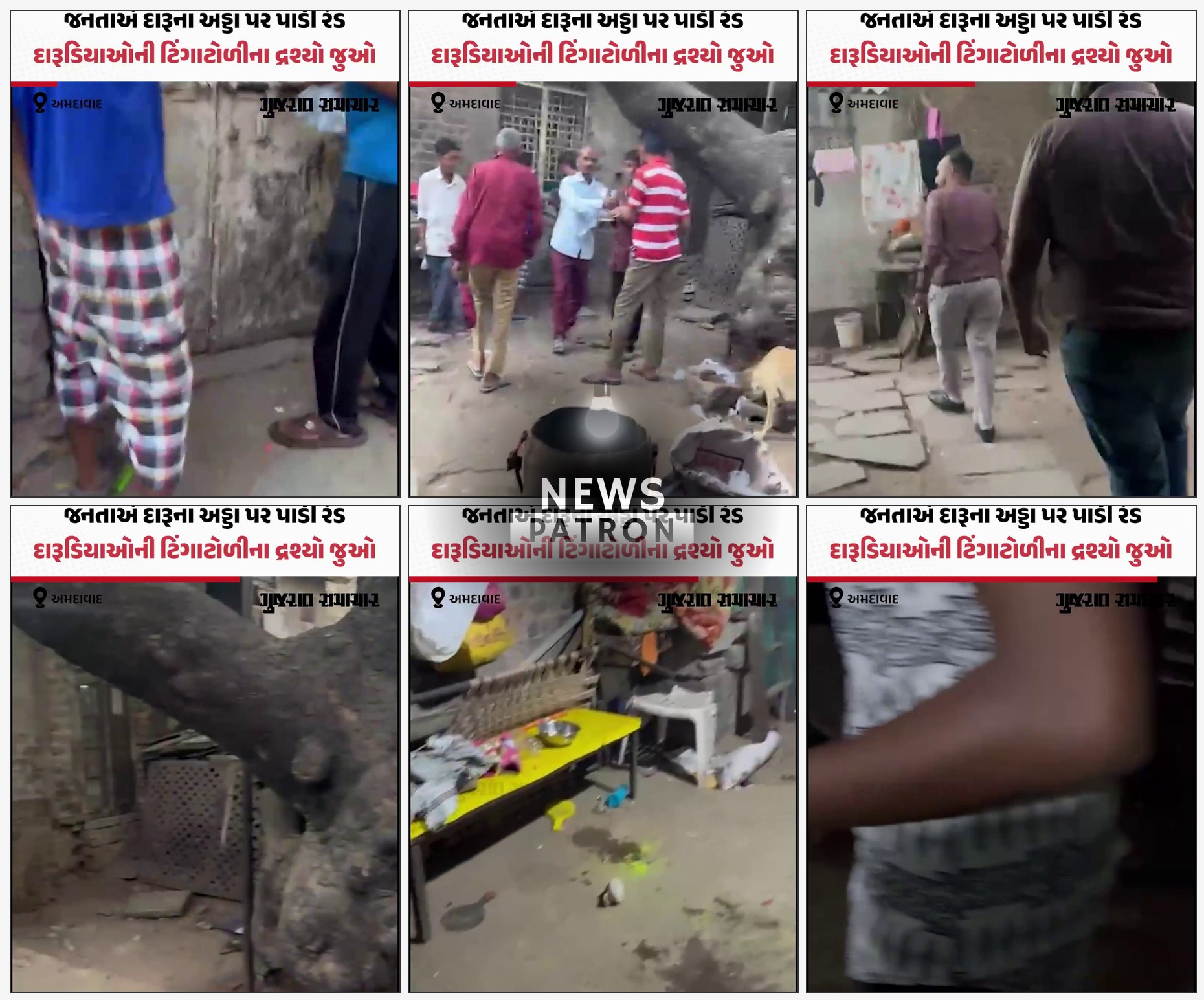
A short, shaky video from Ahmedabad has blown up for all the wrong reasons.
In the clip, you see:
- Crates of liquor being dragged out of an alleged illegal den.
- People rushing in and out, stuffing bottles into bags and loading boxes into auto?rickshaws.
- A completely chaotic street, with bystanders cheering, filming, and some clearly helping themselves.
What you do not see in the frame, for a long stretch, is any visible police intervention.
The caption that came with the post sums up the public mood in one sharp line: while the police kept “sleeping”, the public raided the liquor den themselves and turned it into a free?for?all.
It’s part moral breakdown, part dark comedy — and a brutal commentary on how Gujarat’s liquor ban looks on the ground in 2026.
“Aa Daru Bandi Nu Natak Su Kam Che?” – People Are Calling The Ban A Drama Now
One of the most pointed reactions, in Gujarati, can be paraphrased like this:
“This is exactly why the liquor ban in Gujarat should be removed. What is the point of continuing this drama of prohibition?”
That’s not just trolling. It captures a frustration that has been building for years:
Recommended Product
Amazon India – Shop Today's Best Offers
🛒 View on Amazon →As an Amazon Associate, we earn from qualifying purchases. Price and availability may vary.
- Officially, Gujarat is a dry state with strict prohibition.
- In reality, almost everyone in the cities knows where “delivery” is available.
- Periodic seizures and raids make headlines, but bootlegging, bribery and political protection keep the trade alive.
So when a video shows an illegal den openly stocked enough for a crowd to loot, and citizens running off with boxes while the state looks absent, people don’t see moral victory. They see hypocrisy.
Alcohol is banned on paper, yet widely available in practice. The only ones truly punished are the poor who get caught, families destroyed by toxic hooch, and those honest enough to follow the law. Everything else starts to feel like “natak” — a performance of values, not actual governance.
When The Public Turns Raider And The Police Look Like Spectators
There’s another dangerous layer here that goes beyond liquor policy: state authority.
In the Ahmedabad clip, three things are happening at once:
- An illegal activity (bootlegging) is exposed.
- Another illegal activity (looting) begins, in broad daylight.
- The institution meant to handle both — the police — is either late, missing, or ineffective in that moment.
Even if officers eventually arrived off?camera, the viral part of the story is the public storming the den, auto?rickshaws parked openly for loading, and a complete absence of visible enforcement.
That visual does long?term damage to the credibility of the prohibition regime, to the fear of consequences among bootleggers, and to ordinary citizens’ belief that state institutions are actually in charge.
If people start to feel that nothing really happens when a law is broken, and that no one is really in control when crowds decide to act, you’re only a few viral videos away from bigger mobs on other issues.
Gujarat’s Dry Law: What It Claims vs What It Creates
On paper, Gujarat’s liquor ban is supposed to protect families from alcohol abuse, uphold Mahatma Gandhi’s ideals, and reduce crime. On the ground, incidents like this Ahmedabad raid show the other side:
- A thriving black market with higher prices, no quality control, and a direct link to corruption.
- Periodic hooch tragedies, where spiked or industrial alcohol kills dozens in one night.
- Police resources spent playing cat?and?mouse with suppliers, while ordinary criminal cases pile up.
When people see crates of branded liquor being looted on video, it’s hard not to ask: How long was this den operating? Who was paid to look the other way? Why does enforcement seem reactive only after something goes viral?
That’s why so many comments are no longer about “morality” at all. They’re about policy failure.
Where Do We Go From Here: Enforce Better, Reform Honestly, Or Both?
It’s easy to dunk on the police and shout “hatavo daru bandi” in a comment box. The harder work is asking what realistic options Gujarat actually has now.
Option 1: Double down on enforcement (but do it properly)
If the state insists on keeping prohibition, then sleeping on dens is not an option. You need consistent, intelligence?led raids, audits of police stations where bootlegging is an open secret, rotation of officers to break cosy local nexuses, and visible, quick action when videos like this surface.
Option 2: Admit the ban has failed and design a legal, regulated system
The other route — politically explosive but logically cleaner — is to accept that total prohibition has not worked, and move to a tightly regulated sale model with limited licensed outlets, strict ID checks, high penalties for drunk driving, and rehab support.
That doesn’t magically fix alcohol abuse. But it removes the criminal premium that makes bootlegging lucrative and allows the state to target behaviour, not just the bottle.
Why This Ahmedabad Video Matters Beyond One Street
The reason this particular clip from Gujarat feels so combustible is because it touches three fault lines at once:
- Trust in police: If cops can’t (or won’t) stop an open raid on an illegal business, people wonder what else is being missed.
- Faith in laws: When everyone can see a law isn’t working as advertised, respect for other rules erodes too.
- Public behaviour in the age of virality: Once crowds realise that cameras can put pressure on authorities, they may be tempted to perform their own “justice” more often.
Whether you favour keeping the ban or scrapping it, the bare minimum is clear: Police cannot afford to be seen as spectators, and leaders cannot pretend prohibition is “working fine” when scenes like this are spreading faster than any official press note.
Because once people start using words like “natak” for state policy, the damage isn’t just to the liquor law. It’s to the basic belief that the rules on paper match the reality on the street.
