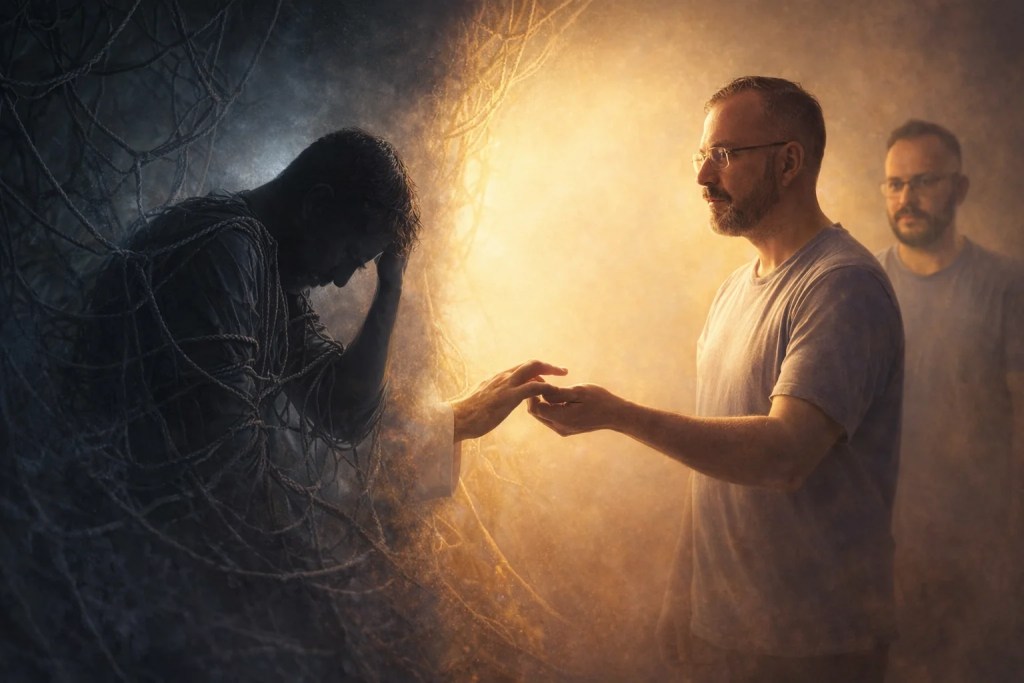
Finding the Human Within the Addict: A 45-Year Journey in De-Addiction
Introduction: Addiction is often misunderstood as a flaw of character. But when does a simple “want” turn into a “need” that destroys lives? In this insightful transcript, a veteran psychiatrist with 45 years of experience breaks down the fine line between liking, craving, and addiction, and why finding the “human” inside the patient is the first step to recovery.
Defining the Line: When Does “Liking” Become “Illness”?
Addiction and craving mean this: When I want something, I cannot tolerate any postponement, any delay. I simply cannot bear it. When such craving is created—when attachment turns into obsession—that is when illness begins.
Any addiction—whether chemical or behavioral—follows this pattern. It could be tobacco, alcohol, drugs, gambling, or even excessive screen use. At the core of all of these lies addiction. And even among people who don’t technically have addictions, we still see this tendency toward attachment. In that sense, addiction is also a part of being human, isn’t it?
The Human Beneath the Addiction
Question: You’ve been working in the field of de-addiction for 45 years. When did the “human being” within the addict first confront you?
Answer: This journey actually begins with a very fundamental question: Is an addicted person still a human being or not?
Addiction damages the human body, the mind, and a person’s value system so severely that their behavior can sometimes resemble that of an animal. Their humanity seems to have collapsed entirely. Finding the human being within such a person is extremely challenging—especially for those of us who work in this field.
When such a person stands before you, there is often nothing positive to hold on to. Their career is in decline. Their personal relationships are broken. Their productivity has collapsed completely. Yet, we must have faith that this person is fundamentally human, just like us, and that they are suffering from an illness.
Why Addiction is an Illness, Not Just a Choice
Question: But then why should addiction be called an illness?
Answer: If someone has a fever, we simply say, “I have a fever.” We view physical illnesses as normal. But addiction involves personal contribution. However, here’s the difference: in other illnesses, we don’t hold the person 100% responsible. In addiction, we do. That’s why we say: many factors contribute to the development of addiction, but responsibility for recovery must be taken by the individual.
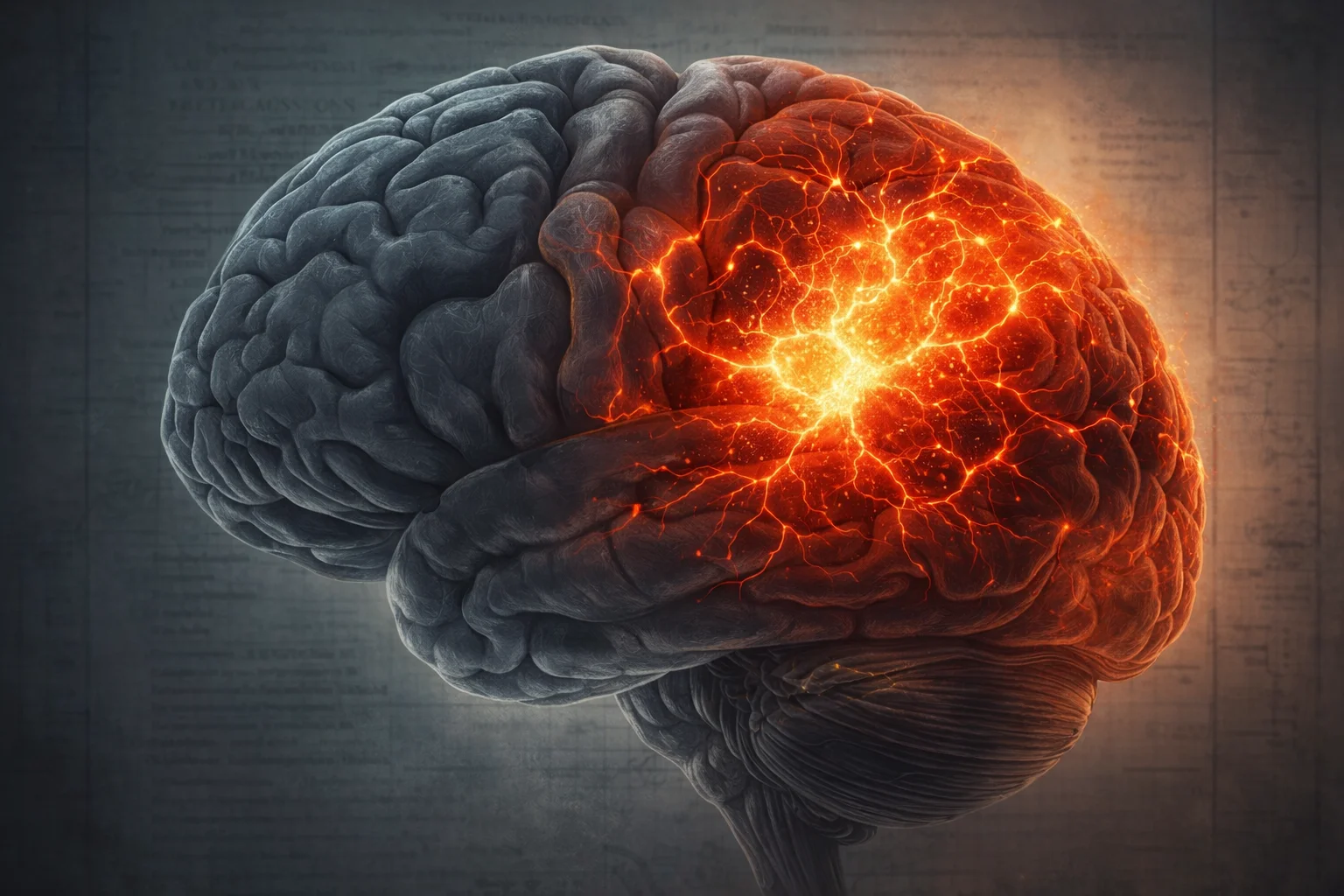
The cycle of craving and the brain.
The 3 Stages of Attachment
Liking: Something you can control. If it isn’t fulfilled immediately, it doesn’t cause distress.
Longing/Craving: Like pregnancy cravings. You feel you *must* have it.
Addiction (Clinical Craving): Postponement is intolerable. When craving strikes, everything else becomes negotiable, but fulfilling that urge becomes non-negotiable.
The Science of Dependence: Body vs. Mind
Chemical addictions involve two kinds of dependence:
Physical Dependence: When levels drop, the body rebels (withdrawal). Hands shake, nausea sets in. To feel “normal,” the person consumes again.
Psychological Dependence: This is where denial lives. “My son is fine,” or “I drink so much, but nothing’s wrong.” Damage appears long before standard reports show abnormalities like liver fibrosis.
Once psychological dependence begins, a person’s entire existence revolves around the addiction. I recall a patient who received a liver transplant and said, “Now I have a fresh liver.” He didn’t see it as a second chance to live without alcohol; his mind was still trapped. That is psychological slavery.
Recovery: A Daily Battle
Recovery doesn’t come with guarantees. Addiction is not just an individual illness—it becomes a family illness. The entire family suffers emotionally, physically, and financially. Children carry silent burdens.
I learned the true script of humanity not from books, but from Alcoholics Anonymous meetings. I saw helplessness, surrender, and the structured path of recovery. As one mentor told me, “I don’t listen to words. I watch faces, voices, emotions.”
Recovery is lived one day at a time. You must call out to the human within—every day.
Connect with the Editor
This post is part of our mental health awareness series. Share your thoughts or experiences below, or connect with me, Kumar, Editor at Newspatron, on your favorite platform:
For quick updates: Follow me on Instagram, Twitter, YouTube, or Reddit.
For deeper conversations: My Facebook profile is open to new friends!
For instant updates: Subscribe to my WhatsApp Channel.
For professional networking: Let’s connect on LinkedIn.
You can find all the relevant links on the Newspatron homepage too.