




Content warning: This article discusses general nutrition. It is not a substitute for personalised medical advice. Please check with your doctor or dietitian before making big diet changes, especially if you have allergies or medical conditions.
Why This 2-Minute Reel Blew Up: Veg, Busy, Protein-Starved
If you’re vegetarian in India, you’ve probably heard this at the gym or from a trainer:
“Veg mein protein kahan se aayega?”
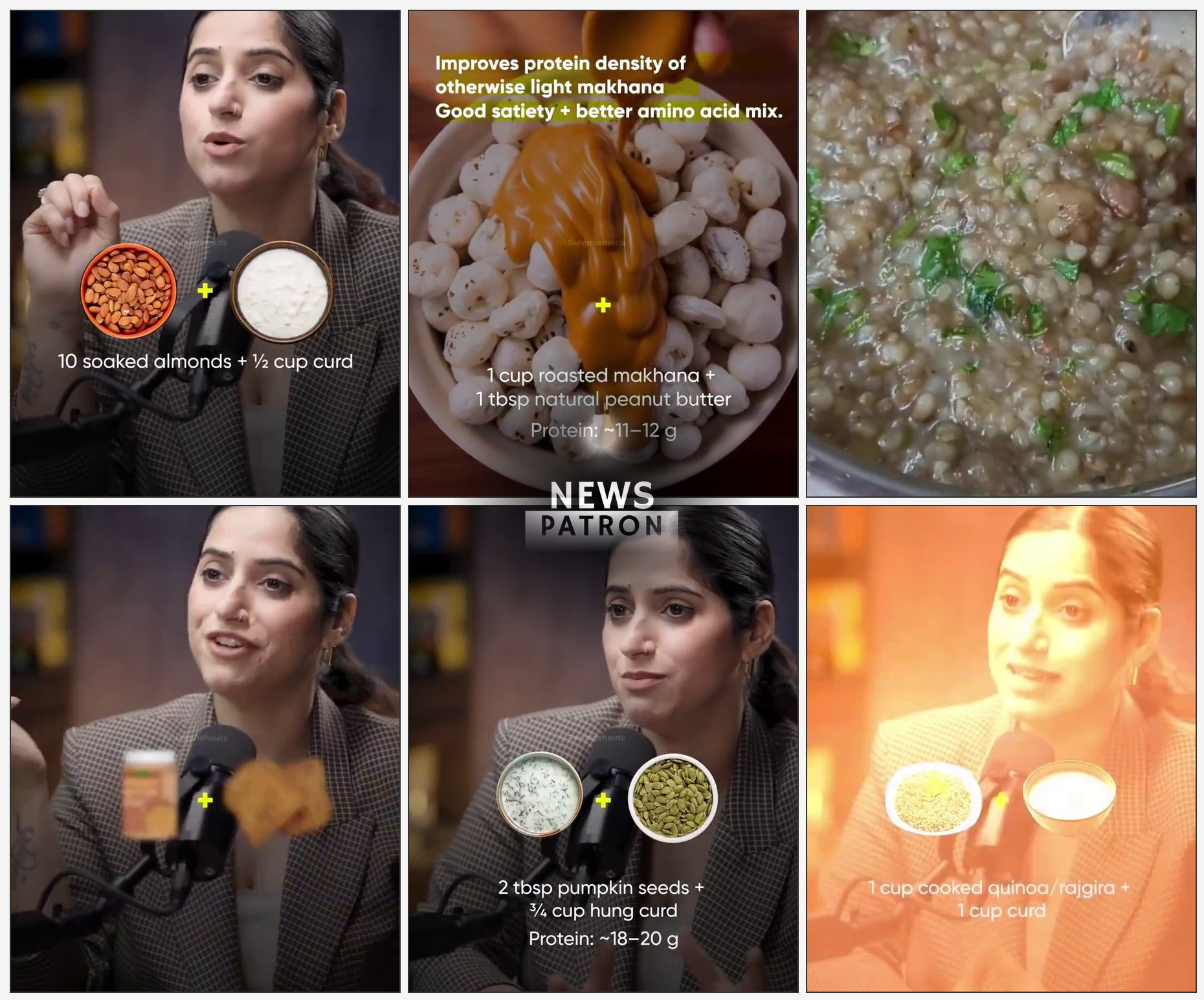
On March 4, 2026, Dr Pooja Sachdev (@ImDrPooja) posted a short 2:47 reel that went straight at this pain point: how to combine everyday vegetarian foods to dramatically improve your protein intake without supplements or fancy ingredients. The reel exploded past 70,000+ views in a day, with most comments saying some version of “Finally, simple combos I can actually eat daily.”
Instead of talking about imported superfoods, she sticks to familiar Indian staples:
- dal + rice,
- curd + chana,
- peanut butter toast,
- rajma + chawal,
- paneer bhurji, sprouts, soya, oats and more.
The idea is simple but powerful: pair the right veg foods so their amino acids complement each other, and suddenly your regular plate starts looking like a genuine high-protein meal instead of just “carbs with a little dal on the side”.
Watch First: Dr Pooja’s High-Protein Veg Combos (Reel)
The 10 High-Protein Veg Combos – Explained For Real Indian Plates
These are the kinds of combinations highlighted in the reel: simple, Indian, and doable for a Mumbai kitchen or tiffin.
1. Dal + Rice (Dal-Chawal)
- 1 medium bowl cooked dal (any: moong, toor, masoor, mixed) + 1 medium bowl cooked rice.
- Approx. 14–18 g protein and 380–450 kcal per plate.
Lentils are rich in certain amino acids; rice has the ones lentils lack. Together, they form a “complete” protein in one comforting plate.
Recommended Product
Alpino Peanut Butter Chocolate Protein Bar – Gluten Free
🛒 View on Amazon →As an Amazon Associate, we earn from qualifying purchases. Price and availability may vary.
2. Peanut Butter On Whole Wheat Toast
- 2 slices whole wheat bread + 2 tbsp natural peanut butter.
- Approx. 12–15 g protein, 320–380 kcal.
Peanuts bring protein and healthy fats, while wheat brings extra amino acids and carbs. Together, they’re a very solid breakfast or pre?workout for vegetarians.
Recommended: Pintola All Natural Peanut Butter Unsweetened
3. Curd (Dahi) + Boiled Chickpeas (Chana)
- 200 g plain curd + 100 g boiled chickpeas.
- Approx. 18–22 g protein, 280–340 kcal.
Chickpeas are protein and complex carbs. Curd adds extra protein plus probiotics for gut health. Turn it into a chana-dahi chaat with onion, tomato, and kala namak for a Mumbai twist.
4. Quinoa Salad With Mixed Vegetables
- 100 g cooked quinoa + 150 g mixed veggies.
- Approx. 14–16 g protein, 280–340 kcal.
Quinoa itself is a complete protein. Veggies bring fibre, volume, and micronutrients, keeping calories reasonable.
Recommended: True Elements Quinoa 1kg
5. Besan Cheela + Curd
- 2 medium cheelas made from ~100 g besan + 150 g curd.
- Approx. 20–24 g protein, 380–450 kcal.
6. Rajma + Rice
- 1 bowl rajma curry (~150 g cooked beans) + 1 bowl rice.
- Approx. 16–20 g protein, 420–500 kcal.
7. Paneer Bhurji + Roti
- 100 g paneer + 2 whole wheat rotis.
- Approx. 22–26 g protein, 420–480 kcal.
8. Sprouts (Moong / Mixed) + Curd
- 150 g sprouted moong + 150 g curd.
- Approx. 18–22 g protein, 220–280 kcal.
Sprouting significantly boosts nutrient availability and reduces anti?nutrients. Combined with curd, you get high protein at relatively low calories – fantastic for fat loss.
Recommended: Slotted Plastic Sprout Maker Box
9. Oats + Greek Yogurt / Hung Curd + Nuts
- 40 g dry oats (cooked) + 150 g thick curd/Greek yogurt + 10 g almonds.
- Approx. 20–24 g protein, 380–450 kcal.
Oats and dairy together form a complete protein. Perfect as a breakfast bowl or a post?workout meal.
Recommended: True Elements Rolled Oats
10. Soya Chunks + Vegetables + Roti
- 50 g dry soya chunks (cooked ~150 g) + mixed veggies + 2 rotis.
- Approx. 25–30 g protein, 380–460 kcal.
Soya chunks are one of the highest-density plant proteins you can buy cheaply in India. With veggies and roti, you get protein, fibre, and slow carbs.
Recommended: Nutrela High Protein Soya Chunks
Vegan? Here Are The Best No-Dairy, No-Paneer Protein Sources
If you’re vegan (or lactose intolerant), you can still hit your protein goals easily using ingredients available in Mumbai kirana stores, supermarkets and online:
- Soya chunks (Nutrela) – 50 g dry: ~25–30 g protein
- Roasted chana (bhuna chana) – 50 g: ~9–10 g protein
- Moong dal / sprouted moong – 100 g cooked: ~12–14 g protein
- Chickpeas (chana) / rajma – 100 g boiled: ~15–19 g protein
- Tofu – 100 g: ~10–12 g protein
How Much Protein Do You Actually Need?
Very rough guideline for generally healthy adults: If you’re mostly sedentary, aim for around 0.8 g per kg body weight. If you’re active or doing strength training, aim for 1.2–1.6 g per kg.
To accurately track your intake, picking up a cheap kitchen scale is highly recommended.
Recommended: HealthSense Digital Kitchen Scale
You don’t have to be perfect. Even moving from 30 g/day to 60 g/day will make a noticeable difference in energy, satiety, and recovery after workouts. Always think in pairs: grain + lentil, curd + chana, oats + dahi, sprouts + dahi. Don’t chase perfection. Just ask yourself at each meal: “Where is my protein coming from in this plate?”
