




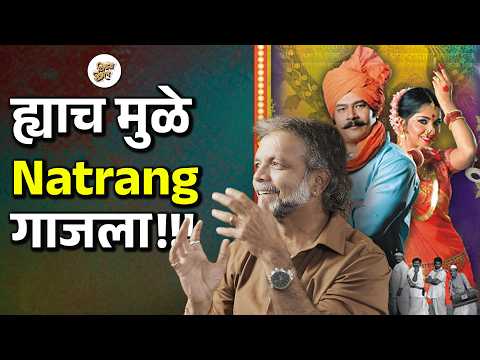
Cinema is often spoken of in numbers—budgets, box office, shooting days. Yet, among those who actually build images for a living, cinema is rarely reduced to arithmetic. The conversation returns repeatedly to one core idea: content and vision precede budget. Or as many practitioners insist today, content is king.
Cinematographers as Painters
One could say that cinematographers are painters—except their brush is called a camera. And just as a painter may work alone on a canvas, a cinematographer never truly works in isolation. Behind every frame stands a vast crew, a collective effort that finally results in a single, beautiful image placed before the audience.
This resonates with how practitioners discuss their craft. While authorship matters, cinema is a collaborative art form. Leadership, communication, and trust become as critical as lenses and lights.
? Student Explainer: The 3 Layers of Cinematography
Understanding sensors, exposure, ratios, and lenses. This is the foundation—the math behind the magic.
Composition, mood, color palette, and visual rhythm. This is where your personality enters the frame.
Managing 40+ crew members, ensuring safety on dangerous sets, and earning trust. A DOP is a general first, artist second.
Growth, Mathematics, and Leadership
Early in a journey, the confrontation with mathematics is unavoidable. Yet alongside technical learning emerges a heavier responsibility: leadership. Cinematographers lead teams of 30–40 people. Respect is earned quickly—or lost just as fast. Industry voices stress that competence determines whether a crew will follow you into uncomfortable situations.
Rethinking “Scale”: Concept Before Budget
In Hindi and Marathi cinema, the word “scale” is frequently reduced to budget. Yet cinematographers argue that scale begins with concept. When a director thinks expansively, carrying the film mentally 24 hours a day, and a cinematographer thinks beyond that vision, the result is elevated cinema.
This sentiment contrasts budget-heavy productions that feel hollow with smaller films like Tumbbad or Homebound that feel expansive because of clarity.
Physical Risk and the Price of the Image
Large productions bring physical challenges. Sets rise 50 feet high; heavy lights are rigged overhead. These risks are not romanticized but acknowledged as part of the craft. When the final image appears on screen, the difference is unmistakable.
Want a deeper dive into visual philosophy?
Read: Through the Lens of Vision: Cinematographers on the Art of Seeing
Connect with Me & Newspatron
Your thoughts, perspectives, and engagement are what make this community thrive! I’m Kumar, Editor at Newspatron.
Watch the Full Discussion:
Check out the insightful roundtable: How DOPs Work with Directors | Marathi Round Table
Stay Updated:
- Website: Newspatron Homepage
- Google News: Follow Us
